Jews in the Risorgimento
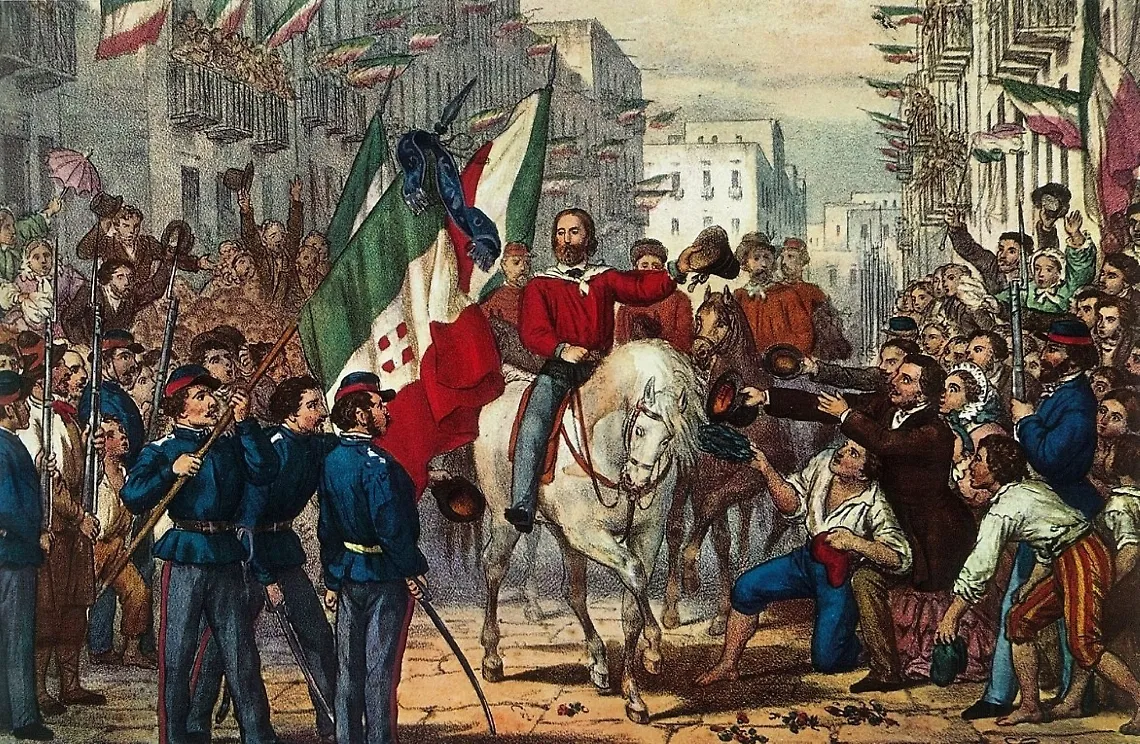
GARIBALDI & GOLDBERG LAND IN SICILY: A Jewish View of the Italian Risorgimento (Part 5)
Giuseppe Verdi’s opera Nabucco (1842) remains the most durable cultural artifact from the Jewish Risorgimento, although it’s historical meaning is not what most people think.
Va pensiero...the lilting chorus of Hebrew slaves? Viva V.E.R.D.I. (Vittorio Emanuele Re d’Italia = Vittorio Emanuele King of Italy)? We sort it all out here.
What’s in a name? For me, the Risorgimento story began with my discovery of a fellow Goldberg (Antonio) amidst the legendary Mille di Giuseppe Garibaldi.
“Goldberg” meet “Goldberg”? A meaningless coincidence...but not really. Let me tell you more!
GARIBALDI & GOLDBERG LAND IN SICILY: A Jewish View of the Italian Risorgimento (Part 4)
News of the “Mortara Case” explodes on the international scene, pushing the “Jewish Question” and the “Roman Question” into the headlines.
Pope Pius IX perseveres in his blind intransigence while King Vittorio Emanuele II and his Prime Minister Camillo Cavour seize the moment, consolidating their ultimate victory.
In the wake of Mortara, Jews around the world unite behind the principles of civil and religious self-determination—many finding their voice for the first time.
In the United States, Rabbi Isaac Mayer Wise and other proponents of Reformed Judaism turn the “Mortara Case” into a high-profile American issue.
GARIBALDI & GOLDBERG LAND IN SICILY: A Jewish View of the Italian Risorgimento (Part 3)
“The Jewish Question” collides with “The Roman Question" in the most intense phase of the Italian Risorgimento.
The Papal regime vehemently opposes Jewish emancipation, a defining principle for the emerging Kingdom of Italy. Meanwhile, the Papacy occupies the city of Rome, Italy’s natural capital.
The ultimate crisis comes In 1858 with "The Mortara Case". Agents of Pius IX kidnap and baptize a young Jewish boy, outraging world opinion and undermining the Church's moral and political authority.
GARIBALDI & GOLDBERG LAND IN SICILY: A Jewish View of the Italian Risorgimento (Part 2)
We explore the turbulent lives of Eugenio Ravà, Riccardo Luzzatto (with his mother Fanny and sister Adele), then Luigi Grandi (with his son Francesco).
They were boldly emancipated Jews from patriotic dynasties passionately devoted to the new Italy.
GARIBALDI & GOLDBERG LAND IN SICILY: A Jewish View of the Italian Risorgimento (Part 1)
It all began with my discovery of a fellow Goldberg (Antonio by name) amidst the legendary Mille di Giuseppe Garibaldi—the thousand or so patriots who accompanied the "Hero of the Two Worlds" on his 1860 invasion of the Kingdom of the Two Sicilies.
Before I knew it, I was spiraling through the turbulent world of the Italian Risorgimento, encountering Jews who played decisive roles in the process of national unification.
First we meet Antonio Goldberg. Then we explore the life and times of four other Jewish Garibaldini: Giacomo Alpron, Donato Colombo, Angelo Donati and Giulio Rovighi.