ITALY’S SECRET PLACES
Italy is full of marvels hidden in plain sight. Beautiful and Inspiring… Funny and Disconcerting… Glorious and Silly… Every moment brings shocks of recognition, as we watch familiar pieces come together and break apart—hurtling between the present and the past.
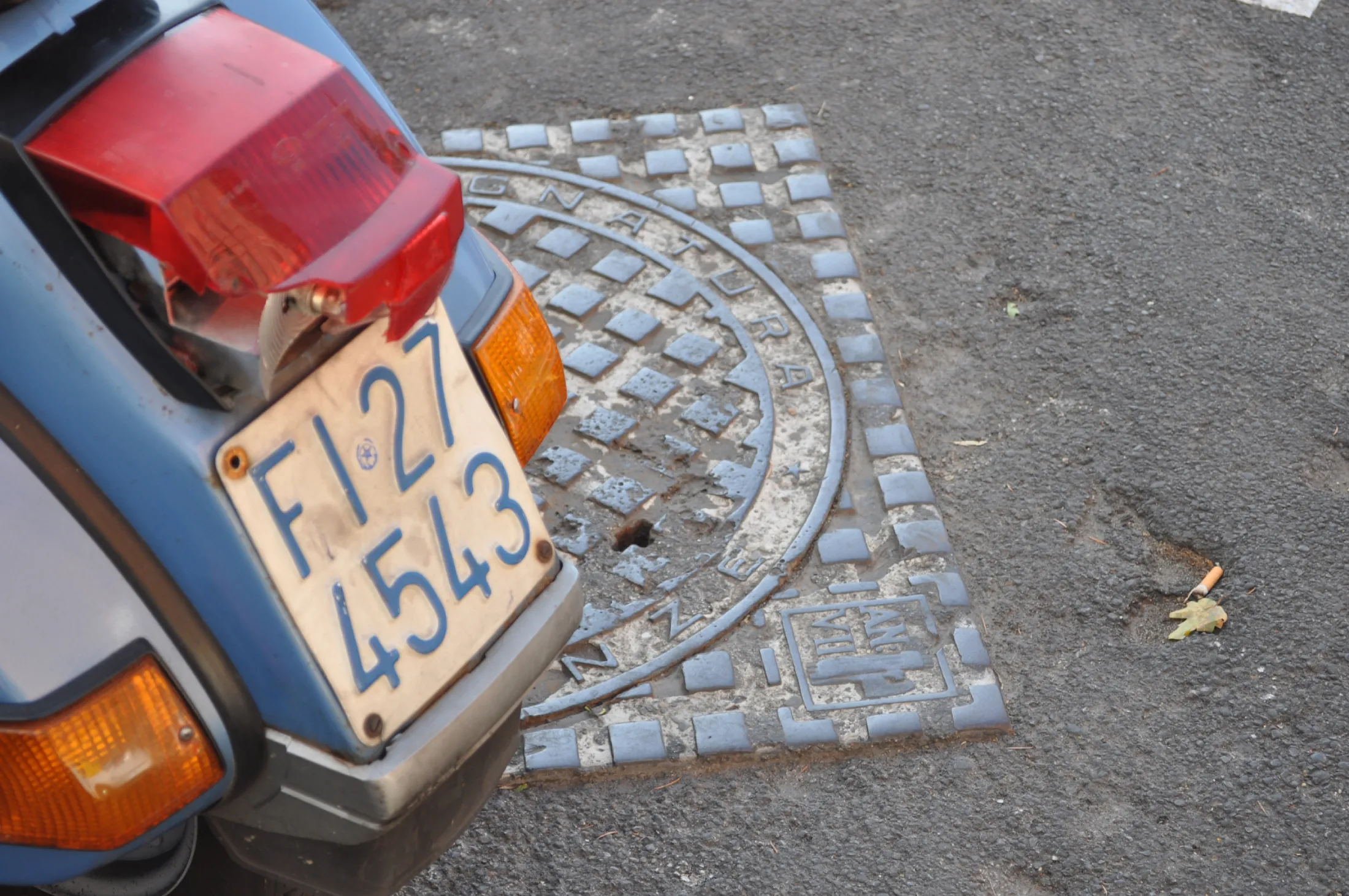
ANNO FASCISTA = FASCIST YEAR: Florence’s Mussolini-era sewer caps
Benito Mussolini had a rare knack for signs and symbols. Throughout Italy, they still follow us wherever we go.
What about Florence's ubiquitous "Anno Fascista = Fascist Year" sewer caps?
Thereby hangs many a tale...
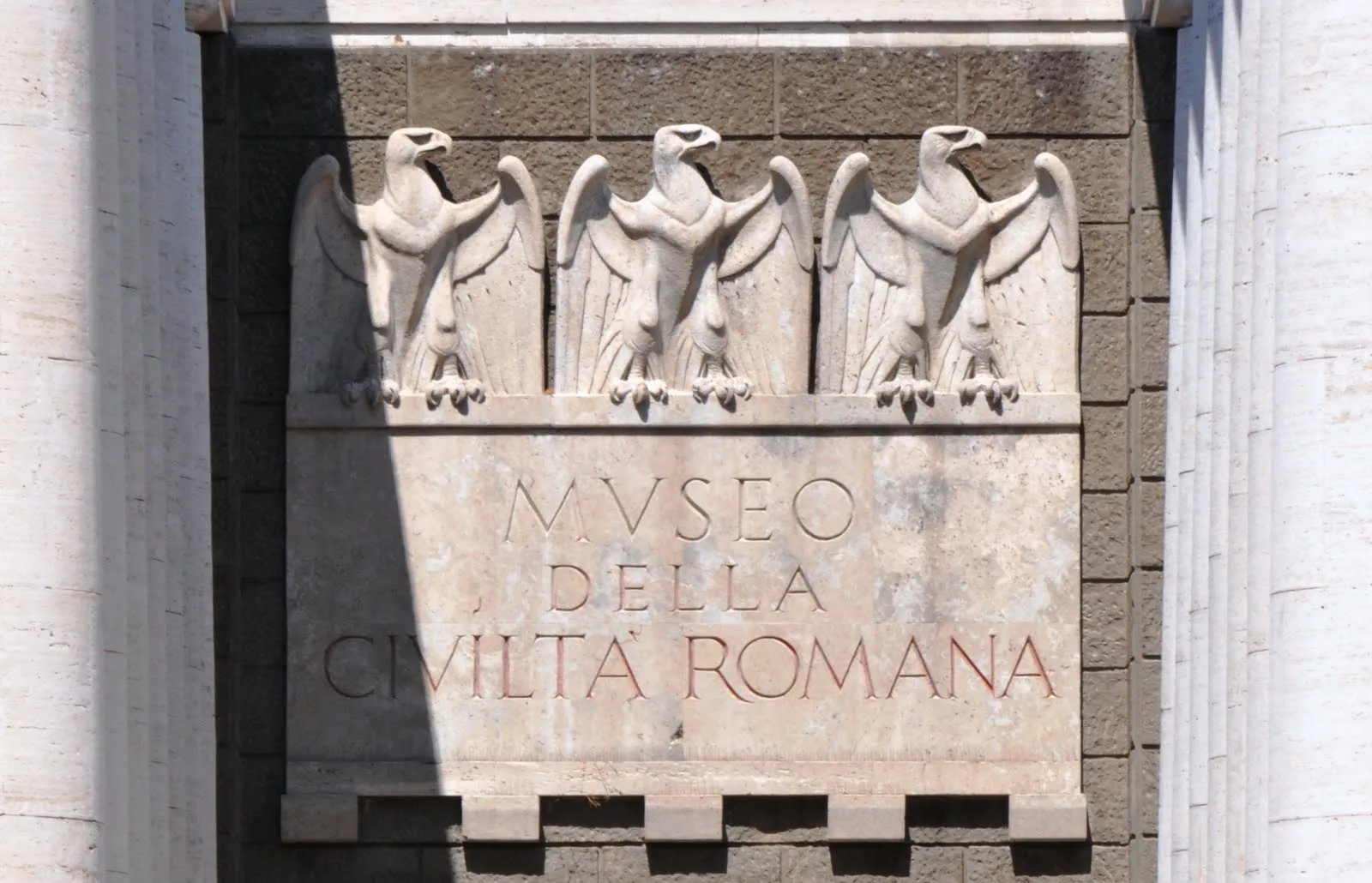
CAESAR AUGUSTUS IN A CAGE: Mussolini's Museum of Roman Civilization
Il Museo della Civilità Romana...in the EUR, Mussolini's bold new World's Fair district in Rome.
For the Duce, what did Civiltà (Civilization) really mean?
How about his obsession with massive bronzes of Roman Emperors?
Caesar Augustus in particular...
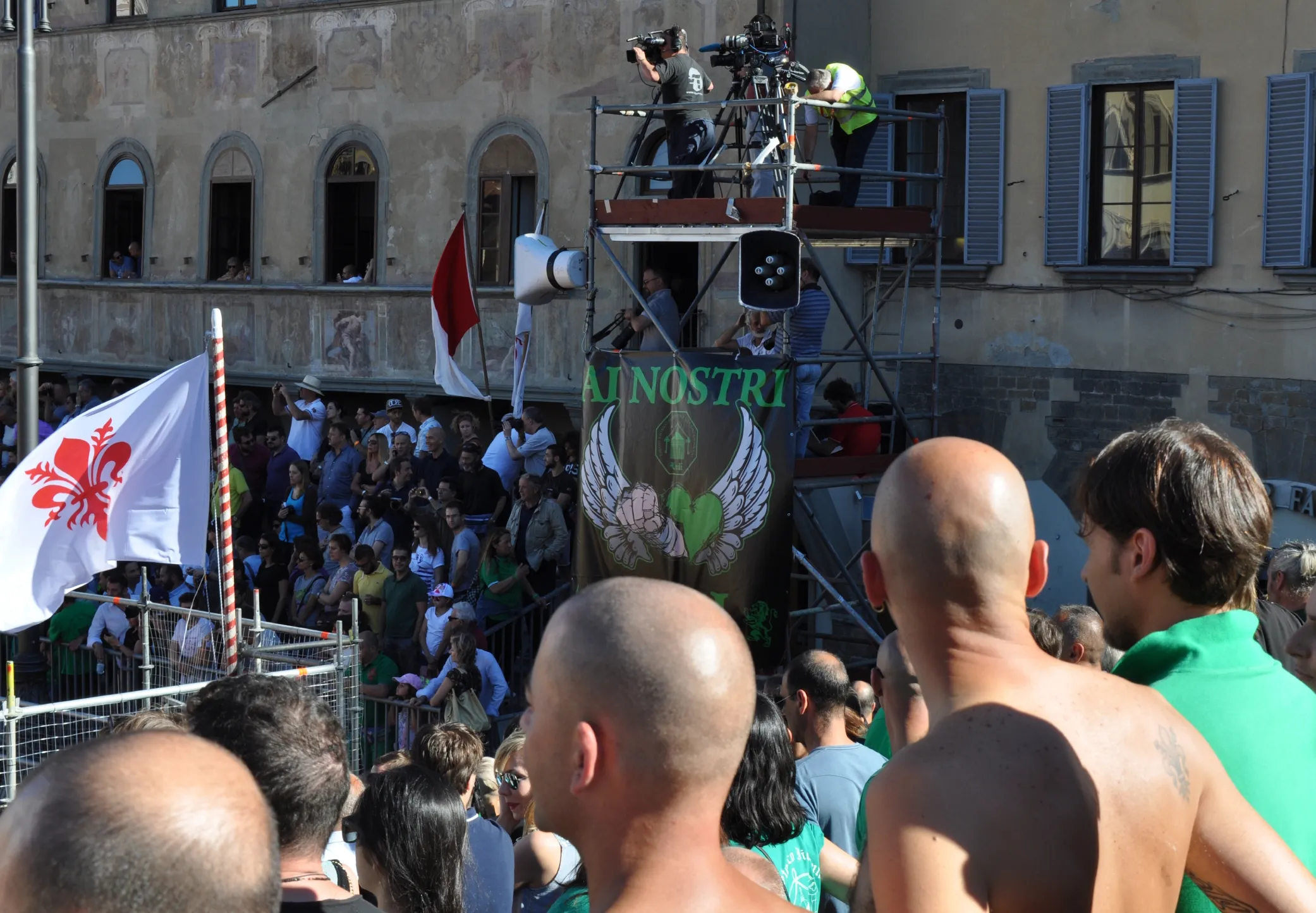
CALCIO STORICO = HISTORIC FOOTBALL: Ritual, Rivalry and What Else?
Florence's famous football in Renaissance guise...
NO! They are not "doing it for the tourists"!
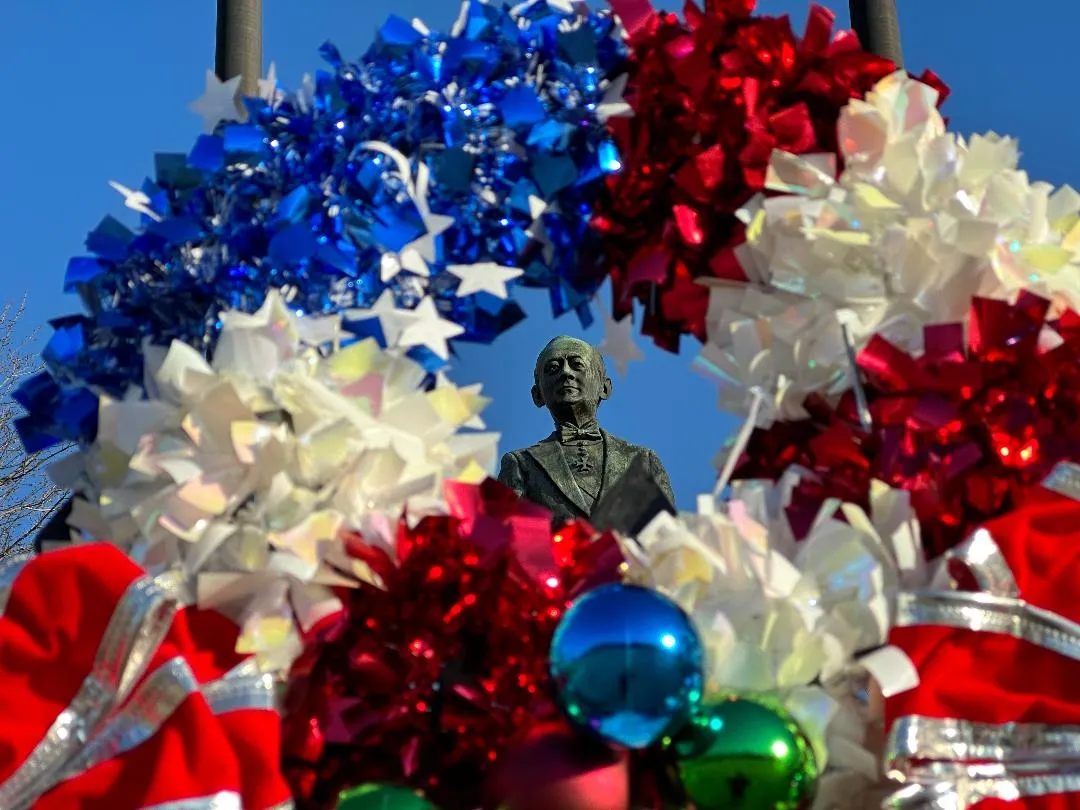
COLUMBUS, MARCONI AND BALBO: Italian Heroes Collide with American Reality
In 1930s America, Guglielmo Marconi, the inventor of the radiotelegraph and Italo Balbo, the aeronautical "Second Columbus" led a brilliantly orchestrated public relations campaign on behalf of Benito Mussolini's regime.
Fascist Italy commanded a dazzling array of scientific, technological and cultural resources. It channeled them all— astounding the American public at Chicago's Century of Progress Exposition in 1933-34.
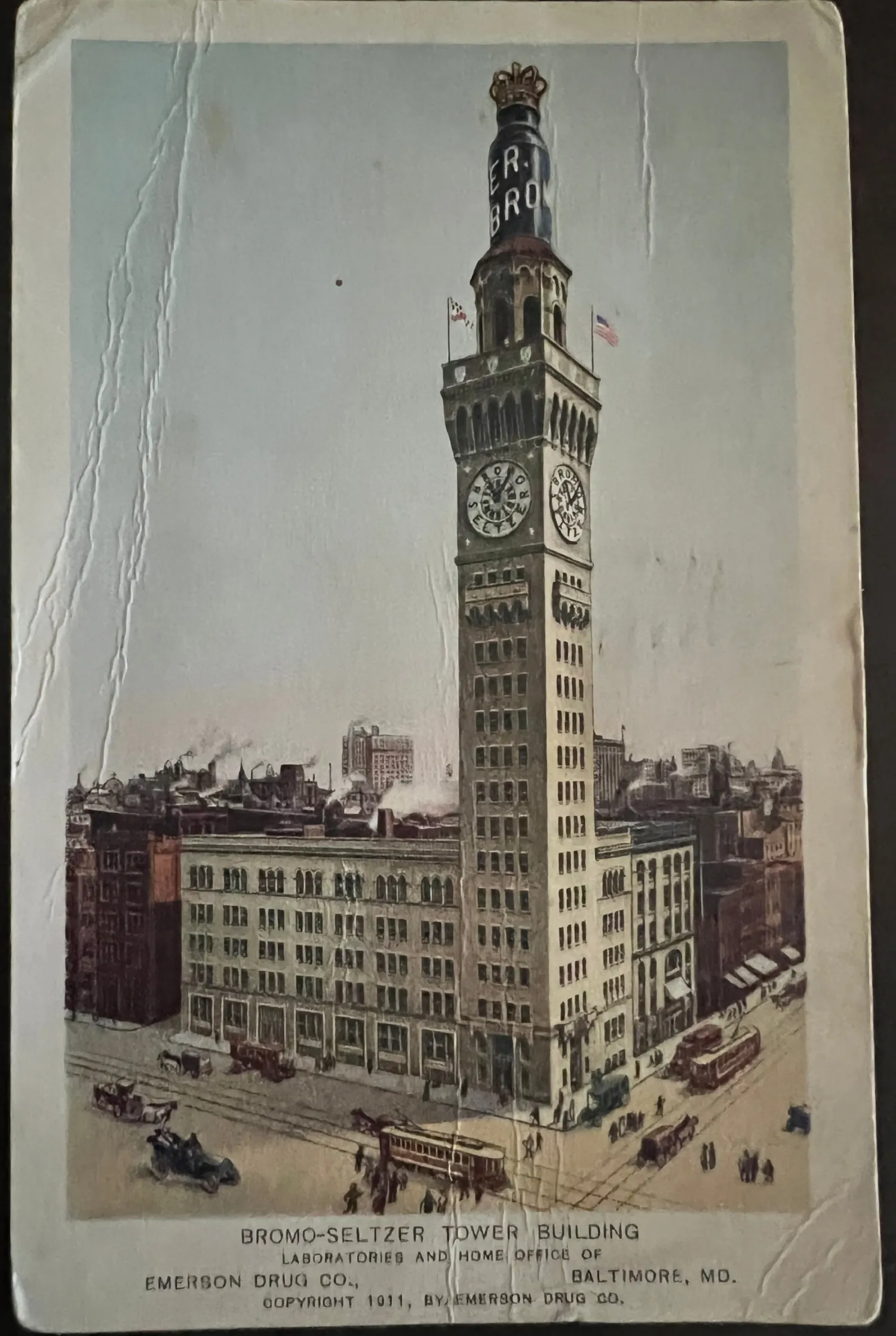
DECONSTRUCTING PALAZZO VECCHIO: A Florentine Icon Reimagined
So, you want to build a tower?
There's that one in Florence, you know...
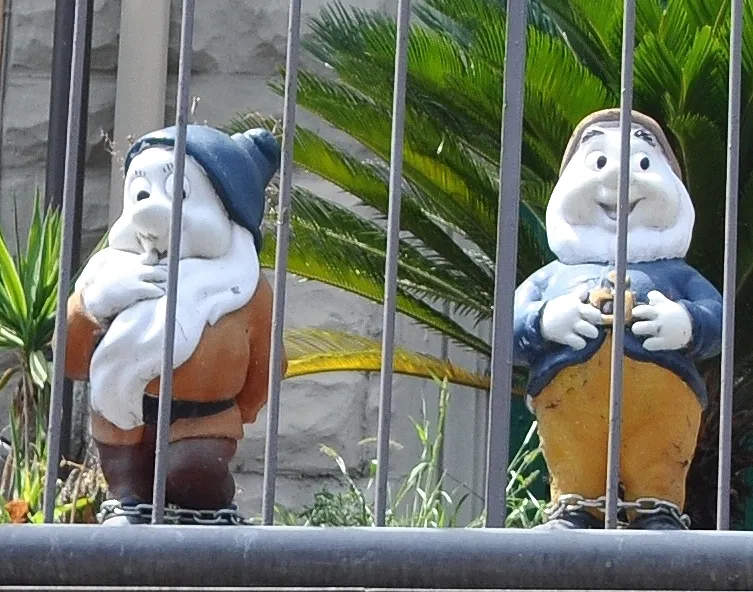
DWARF ENVY: Rampaging Garden Gnomes in Florence’s Oltrarno District
In Italy, vendetta is both a fine art and comic relief.
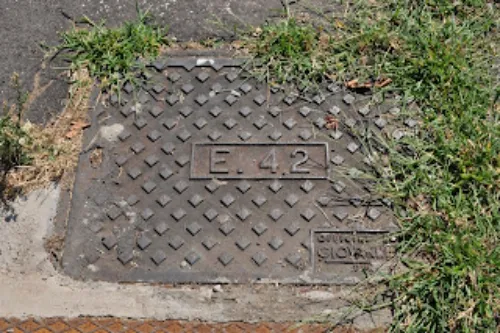
E.42: Mussolini's Fascist Theme Park on the Outskirts of Rome
What if the Duce threw a World's Fair and no one came?
That is basically the story of the E.U.R. (Esposizione Universale Roma 1942)—one of the Eternal City's strangest and most intriguing districts.
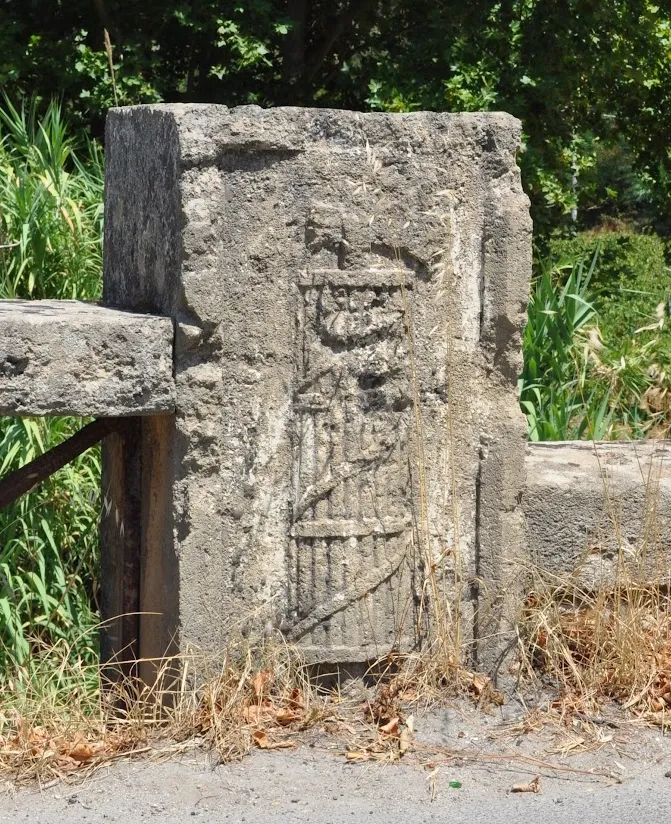
FROM SEGESTA TO CALATAFIMI: Mussolini Rewrites History
More Mussolini... More signs and symbols...
In Sicily, on the road from the ancient city of Segesta to the Risorgimento battle site of Calatafimi, the Fascist Regime still spins a web of historical connections that don't quite exist.
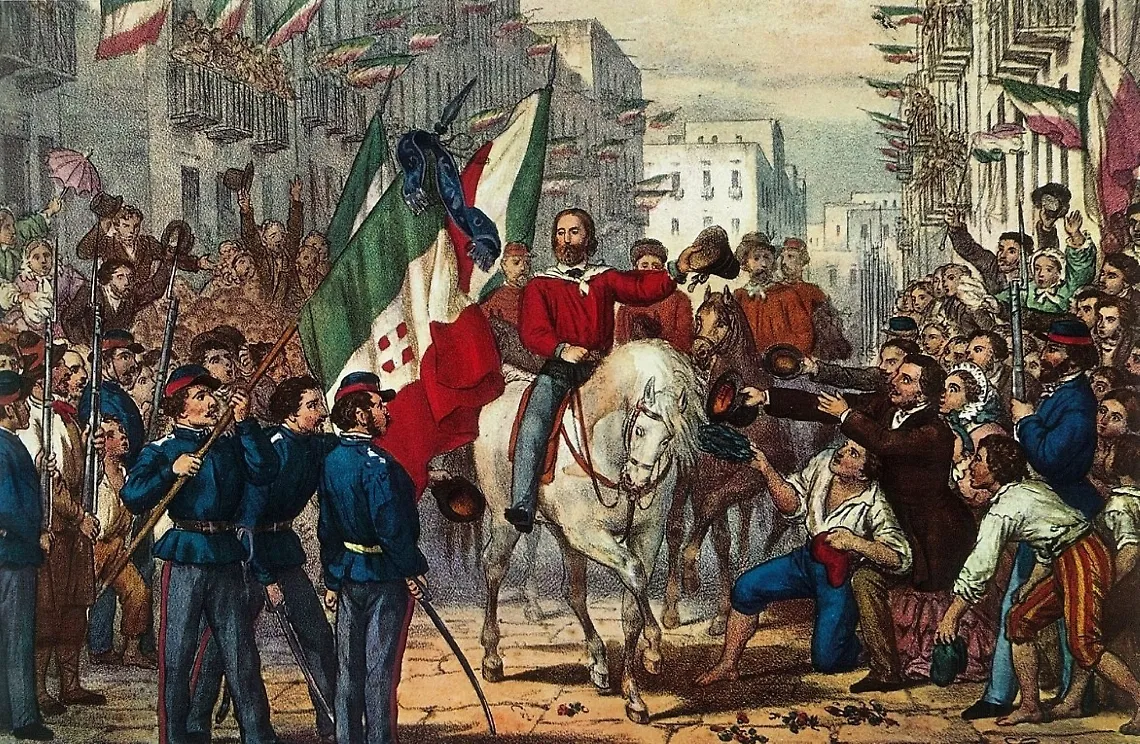
GARIBALDI & GOLDBERG LAND IN SICILY: A Jewish View of the Italian Risorgimento (Part 1)
It all began with my discovery of a fellow Goldberg (Antonio by name) amidst the legendary Mille di Giuseppe Garibaldi—the thousand or so patriots who accompanied the "Hero of the Two Worlds" on his 1860 invasion of the Kingdom of the Two Sicilies.
Before I knew it, I was spiraling through the turbulent world of the Italian Risorgimento, encountering Jews who played decisive roles in the process of national unification.
First we meet Antonio Goldberg. Then we explore the life and times of four other Jewish Garibaldini: Giacomo Alpron, Donato Colombo, Angelo Donati and Giulio Rovighi.
GARIBALDI & GOLDBERG LAND IN SICILY: A Jewish View of the Italian Risorgimento (Part 2)
We explore the turbulent lives of Eugenio Ravà, Riccardo Luzzatto (with his mother Fanny and sister Adele), then Luigi Grandi (with his son Francesco).
They were boldly emancipated Jews from patriotic dynasties passionately devoted to the new Italy.
GARIBALDI & GOLDBERG LAND IN SICILY: A Jewish View of the Italian Risorgimento (Part 3)
“The Jewish Question” collides with “The Roman Question" in the most intense phase of the Italian Risorgimento.
The Papal regime vehemently opposes Jewish emancipation, a defining principle for the emerging Kingdom of Italy. Meanwhile, the Papacy occupies the city of Rome, Italy’s natural capital.
The ultimate crisis comes In 1858 with "The Mortara Case". Agents of Pius IX kidnap and baptize a young Jewish boy, outraging world opinion and undermining the Church's moral and political authority.
GARIBALDI & GOLDBERG LAND IN SICILY: A Jewish View of the Italian Risorgimento (Part 4)
News of the “Mortara Case” explodes on the international scene, pushing the “Jewish Question” and the “Roman Question” into the headlines.
Pope Pius IX perseveres in his blind intransigence while King Vittorio Emanuele II and his Prime Minister Camillo Cavour seize the moment, consolidating their ultimate victory.
In the wake of Mortara, Jews around the world unite behind the principles of civil and religious self-determination—many finding their voice for the first time.
In the United States, Rabbi Isaac Mayer Wise and other proponents of Reformed Judaism turn the “Mortara Case” into a high-profile American issue.
GARIBALDI & GOLDBERG LAND IN SICILY: A Jewish View of the Italian Risorgimento (Part 5)
Giuseppe Verdi’s opera Nabucco (1842) remains the most durable cultural artifact from the Jewish Risorgimento, although it’s historical meaning is not what most people think.
Va pensiero...the lilting chorus of Hebrew slaves? Viva V.E.R.D.I. (Vittorio Emanuele Re d’Italia = Vittorio Emanuele King of Italy)? We sort it all out here.
What’s in a name? For me, the Risorgimento story began with my discovery of a fellow Goldberg (Antonio) amidst the legendary Mille di Giuseppe Garibaldi.
“Goldberg” meet “Goldberg”? A meaningless coincidence...but not really. Let me tell you more!
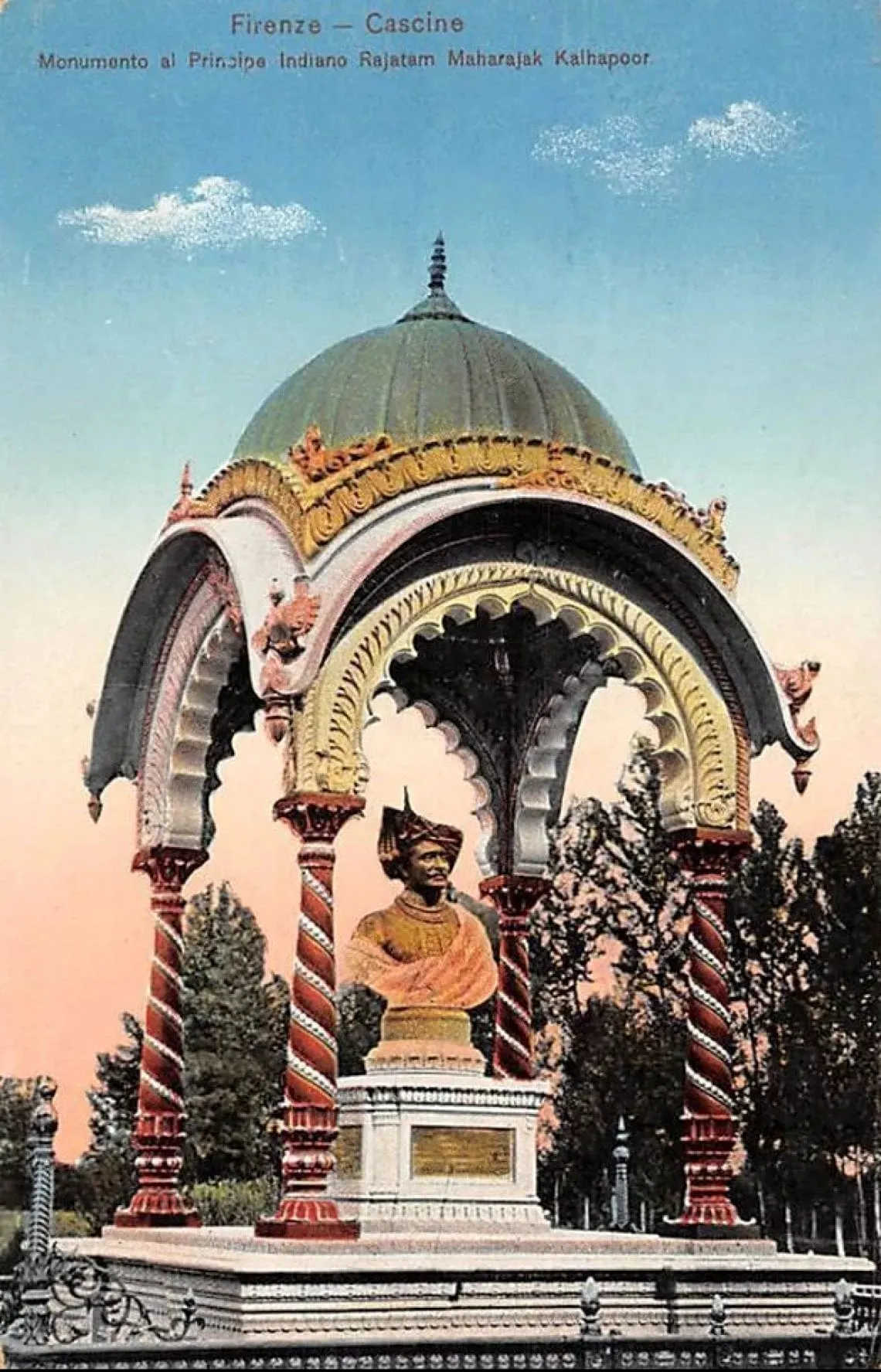
GOING TO THE INDIAN: Across Florence’s Cascine Park and off the Edge of the Earth (Part 1)
In Florence, “Going to the Indian” is more than a very long walk. It is an existential journey leaving the known world behind.
In 1870, the young Maharajah of Kohlapoor died in the Tuscan capital and a lavish monument was erected at the site of his cremation at the farthest limit of the city’s largest park.
Then Florentine culture and custom kicked in…
***
What is the inside story of the Cascine, from Medici farm to urban park?
Who was “The Indian” and why did his earthly journey end there?
What did the Cascine's “Festa del Grillo” (Cricket Festival) mean to generations of Florentines?
And what else? Once upon a time, there were camels in the Cascine too.
GOING TO THE INDIAN: Across Florence’s Cascine Park and off the Edge of the Earth (Part 2)
In Florence, “Going to the Indian” is more than a very long walk. It is an existential journey leaving the known world behind.
In 1870, the young Maharajah of Kohlapoor died in the Tuscan capital and a lavish monument was erected at the site of his cremation at the farthest limit of the city’s largest park.
Then Florentine culture and custom kicked in…
***
The Cascine is a borderland, where anything and everything seems possible.
Sex and danger? You could (and maybe still can) get whatever you want from a diverse array of night-workers—females, males and (most famously) transvestites.
"La Romanina” (Romano Cecconi) ruled the 1960s and 70s (also known as “Batwoman”, embodying an acerbic Italian pun).
Then came Carlo Paiano (“La Carlotta, Queen of the Transexuals”), whose exploits characterized the wild world of 1980s Florence.
How about Mussolini and Hitler in this enchanted wood? Then swarms of banner-waving partisans when the tide turned?
GOING TO THE INDIAN: Across Florence’s Cascine Park and off the Edge of the Earth (Part 3)
In Florence, “Going to the Indian” is more than a very long walk. It is an existential journey leaving the known world behind.
In 1870, the young Maharajah of Kohlapoor died in the Tuscan capital and a lavish monument was erected at the site of his cremation at the farthest limit of the city’s largest park.
Then Florentine culture and custom kicked in…
***
For centuries, the Cascine functioned as both a working farm and a princely hunting preserve.
Then in the course of the 19th and 20th centuries, modern athletic pursuits developed in that increasingly public park—making it ground zero for almost everything that is played in Florence today.
We cross the vast expanse of the Cascine, tracking half-forgotten pastimes like pallamaglio (a precursor of croquet and golf), pallone al bracciale and tamburello (cousins of handball and racquetball). Then comes soccer, tennis, horse racing and polo.
“Going to the Indian” means "trekking to the edge of the earth". But as we approach the Maharajah’s monument on the far side of the Cascine, another adage comes to mind,
“Go throw myself off the Indian” refers to the “Viaduct of the Indian”, an ill-omened highway overpass right nearby.
This potent magnet for local suicides has a dire history of its own.
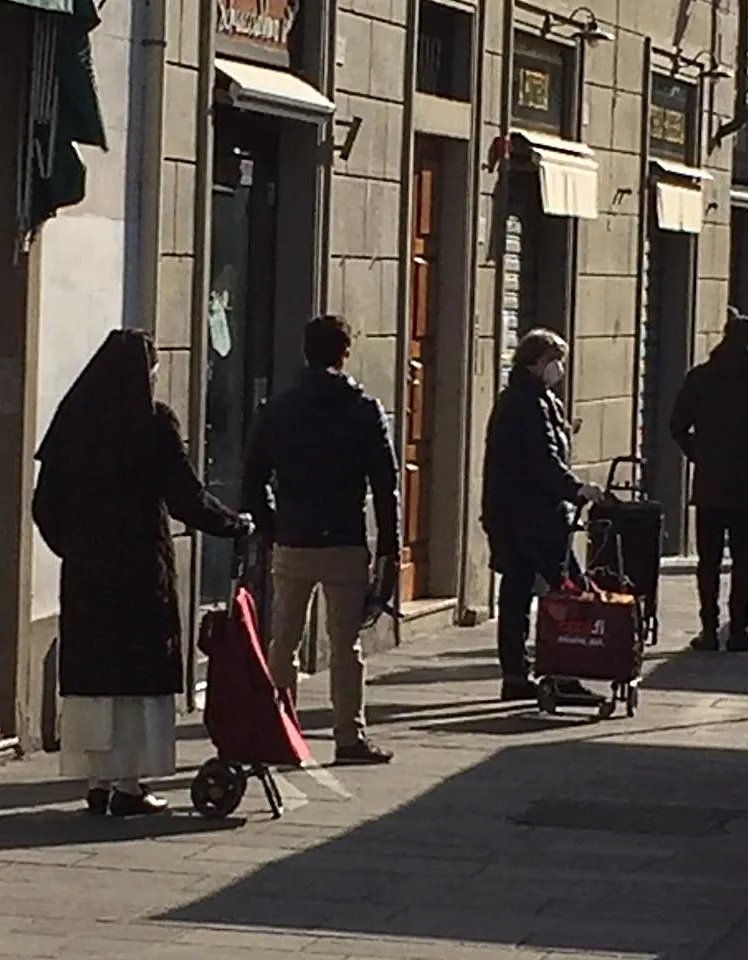
GROCERY SHOPPING (AND MORE) IN PANDEMIC FLORENCE
Italians normally hate waiting in line, but there was nothing normal about the COVID lockdown.
Supermarket queues (socially distanced, of course) coiled for block after block around every neighborhood.
From my kitchen window, I could see the local COOP, barely a hundred yards away. But going there was another story...
And then the food...that was another story too.

GUGLIELMO MARCONI: Science, Fascism, Antisemitism and What Else?
History has given a free pass to Guglielmo Marconi, who was both a scientific genius and a Fascist ideologue.
There are two stories to tell—first in Italy and then in America.
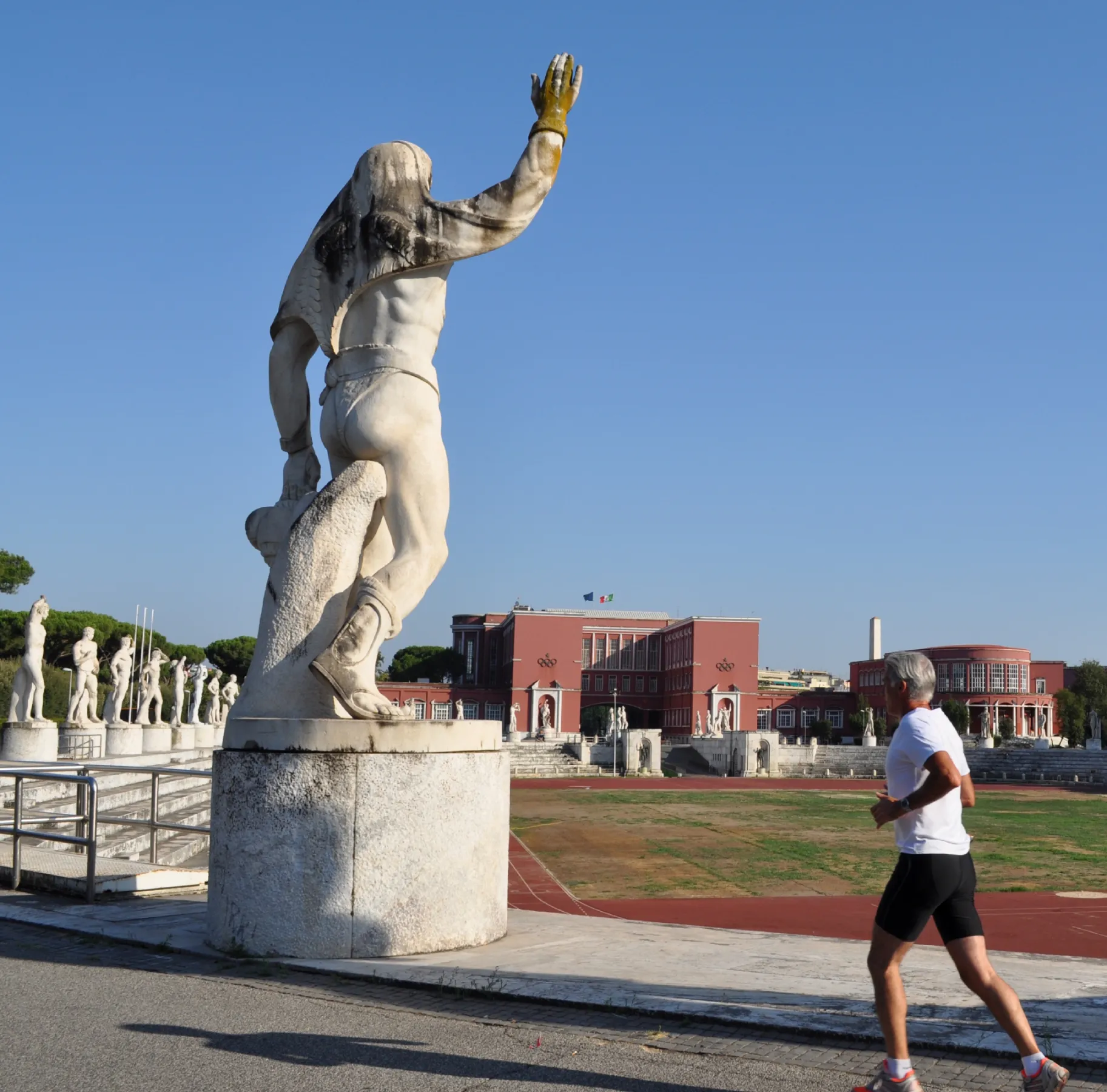
HEALTHY FASCIST MIND, HEALTHY FASCIST BODY: Mussolini’s Foro Italico in Rome
Mussolini enshrined this ideal in his Foro Italico (Italic Forum) in Rome, popularly known as the "Mussolini Forum".
Especially in the adjoining Stadio dei Marmi (Stadium of the Marble Statues), with its onslaught of colossal male nudes.
But then the years pass and present-day Romans move in, doing what present-day Romans do...
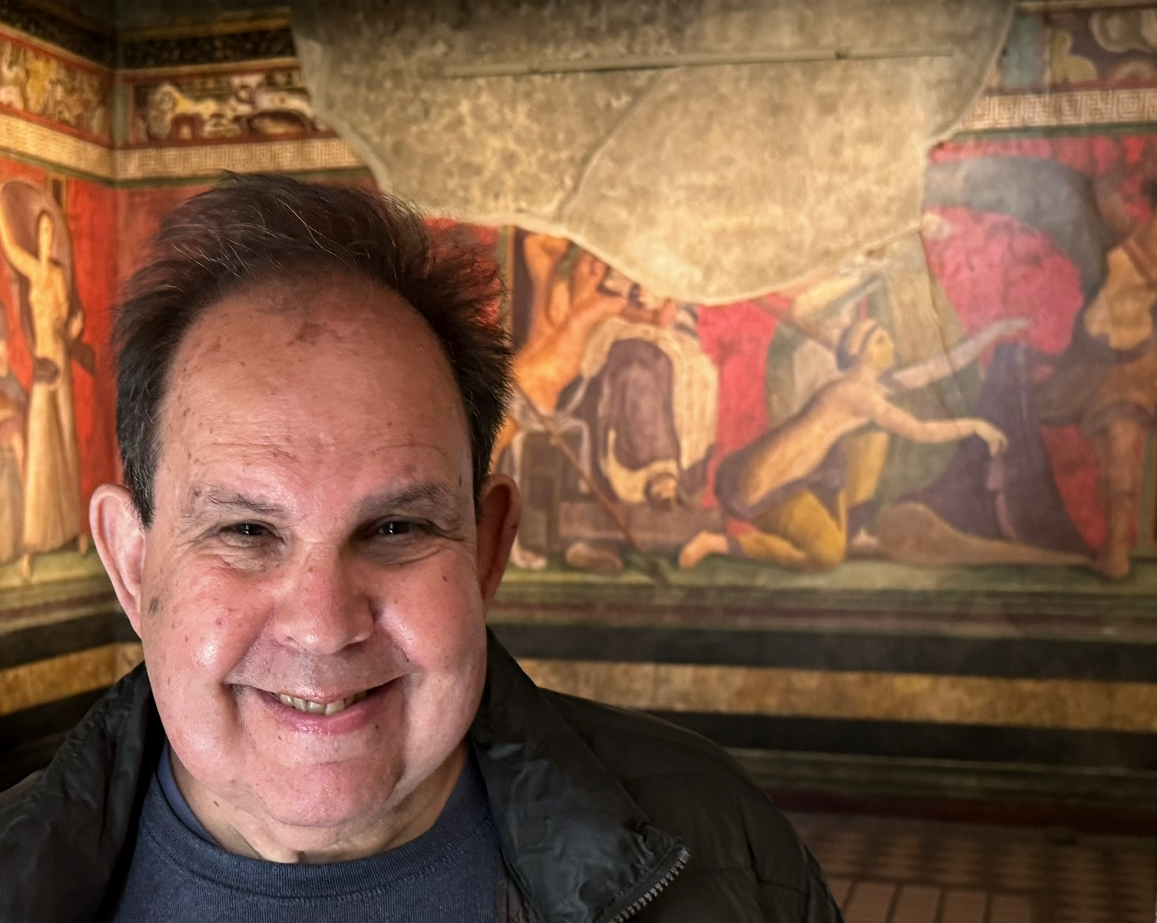
ITALY AND ME...
Italy has been in the picture with me as long as I can remember.
Thereby hangs many a tale...

JEWISH IN ITALY?
What's it like— being Jewish in Italy?
Especially when you're a mildly observant foreign Jew like me?
Social and cultural affinity kick in.
And it isn't always "religion" that matters most.
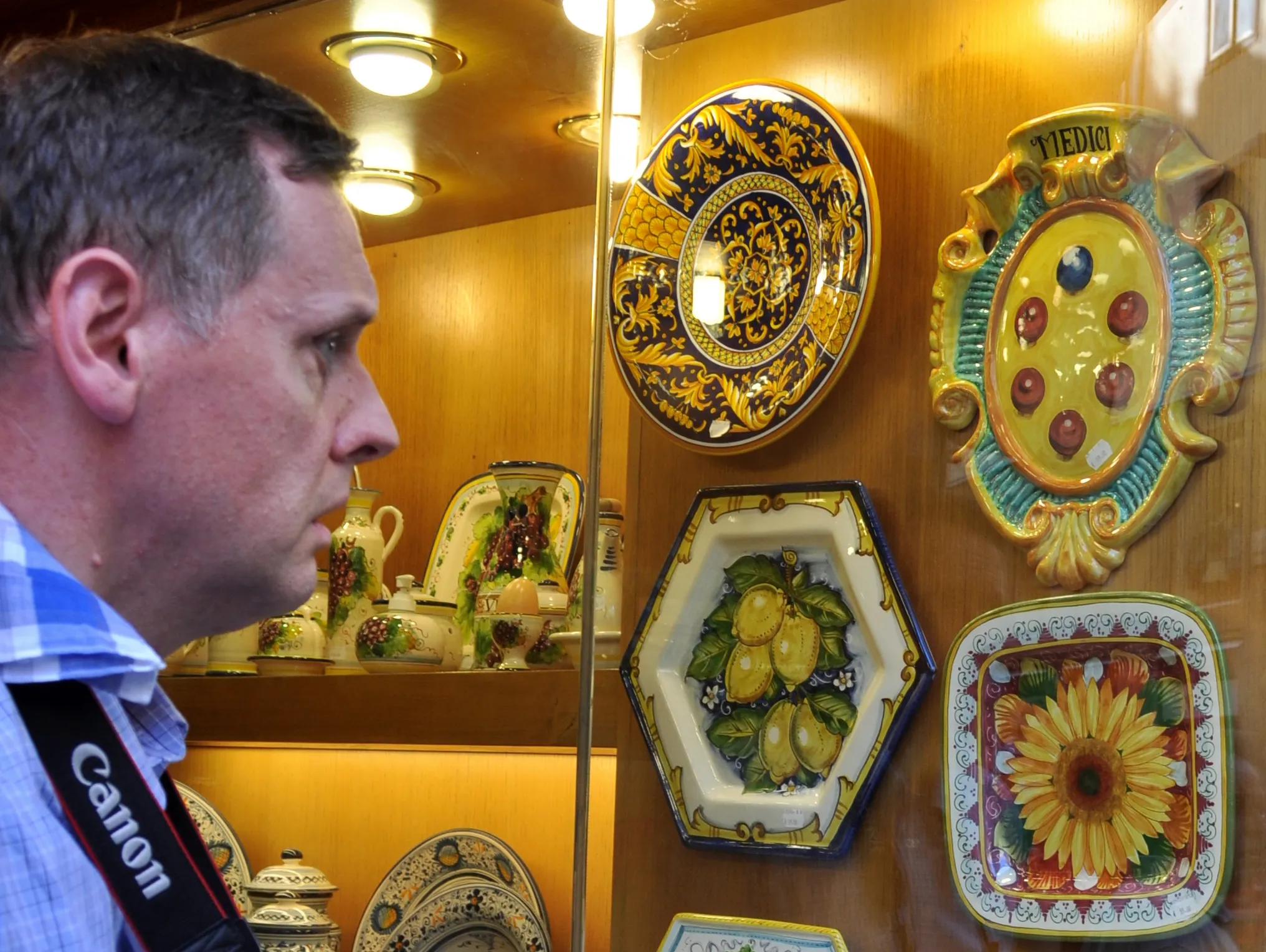
MEDICI SYNDROME: Their Coat of Arms is only the beginning...
"Medici Syndrome" (a specialized strain of "Stendahl Syndrome") is characterized by blinding flashes of Cosmic Angst induced by too much of a cultural good thing.
Most outbreaks occur within a few hundred yards of the Arno River.
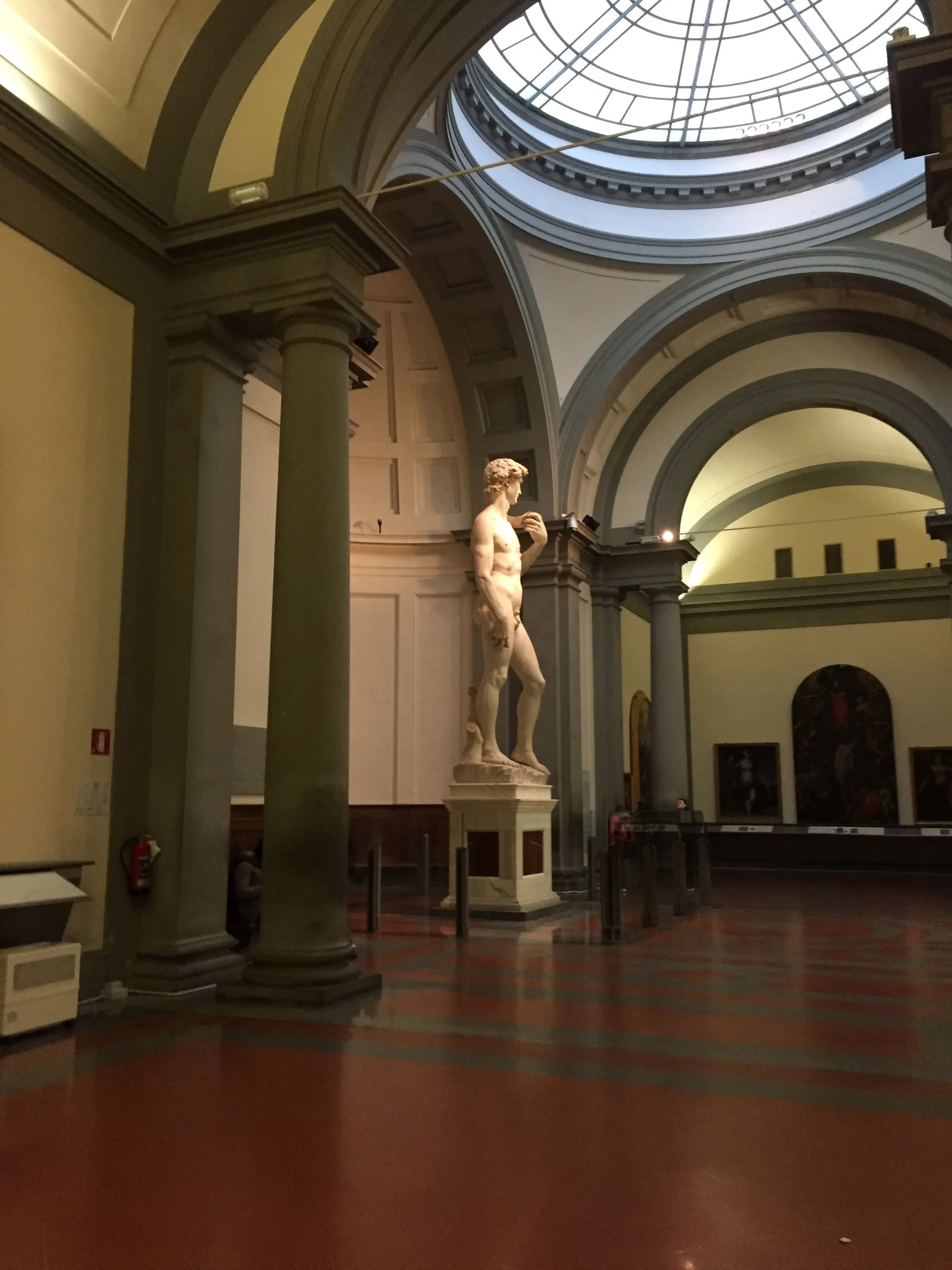
MICHELANGELO'S DAVID: 0 Degrees of Separation
Michelangelo’s David! The original is in Florence’s Accademia Gallery but copies…and copies of copies…and copies of copies of copies…beset us at every turn.
Let’s count the degrees of separation—from here back to the original.
***
Thank you, COVID?!
Michelangelo's David, plus space and silence and no tourists.
Zero degrees of separation to count!
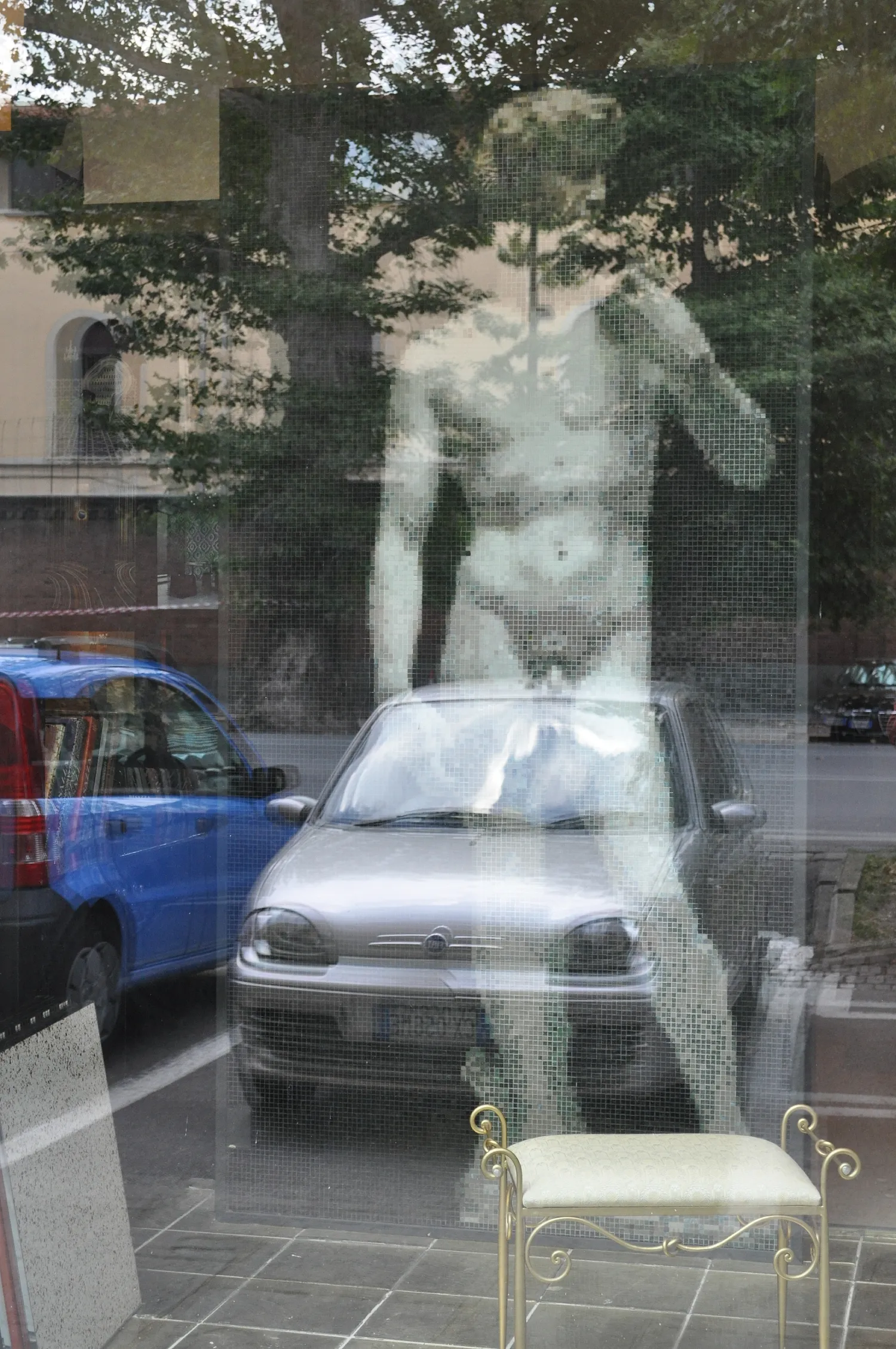
MICHELANGELO'S DAVID: 5 Degrees of Separation
Michelangelo’s David! The original is in Florence’s Accademia Gallery but copies…and copies of copies…and copies of copies of copies…beset us at every turn.
Let’s count the degrees of separation—from here back to the original.
***
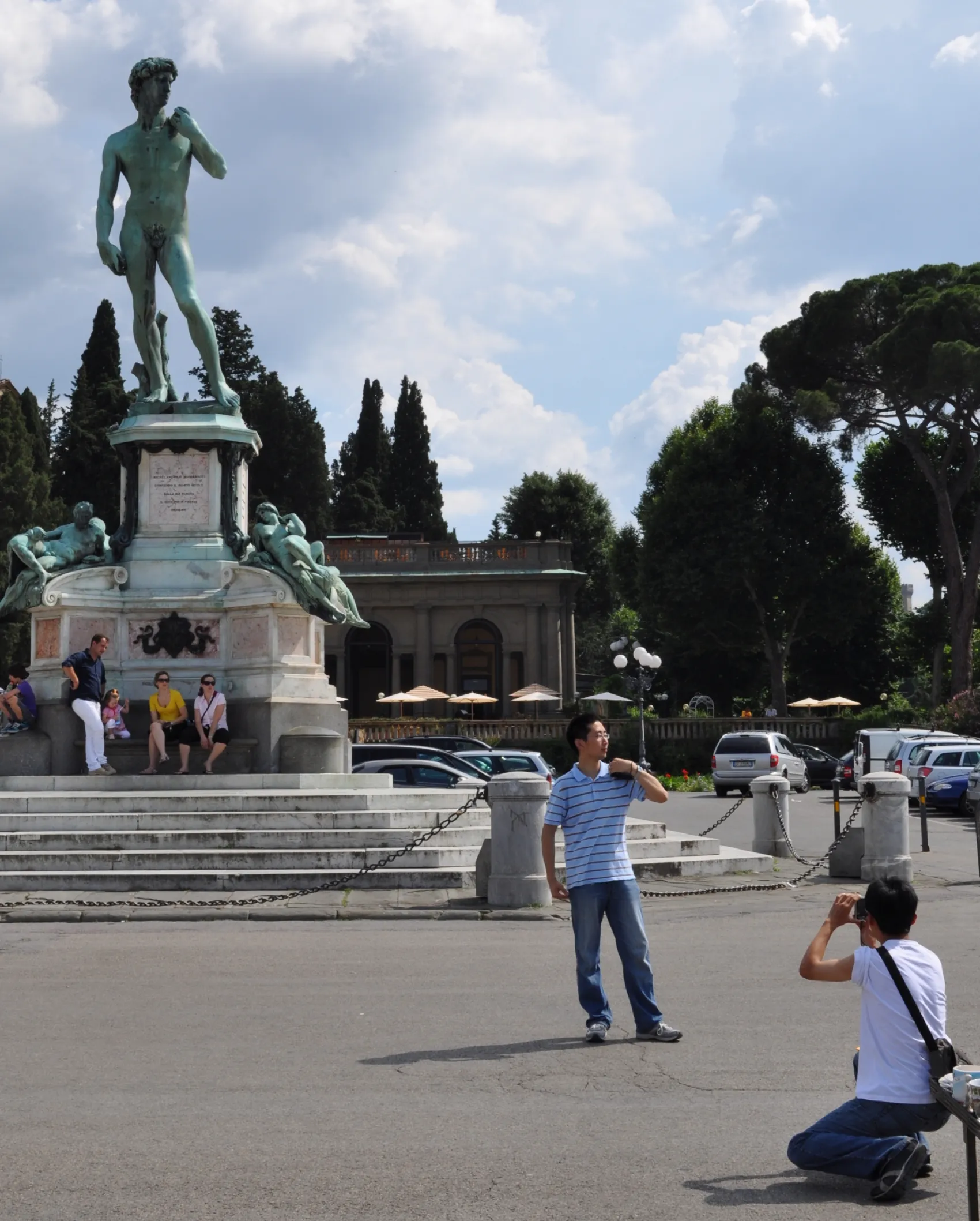
Through a glass reflectively, in mosaic too.
MICHELANGELO'S DAVID: 6 Degrees of Separation
Michelangelo’s David! The original is in Florence’s Accademia Gallery but copies…and copies of copies…and copies of copies of copies…beset us at every turn.
Let’s count the degrees of separation—from here back to the original...
***
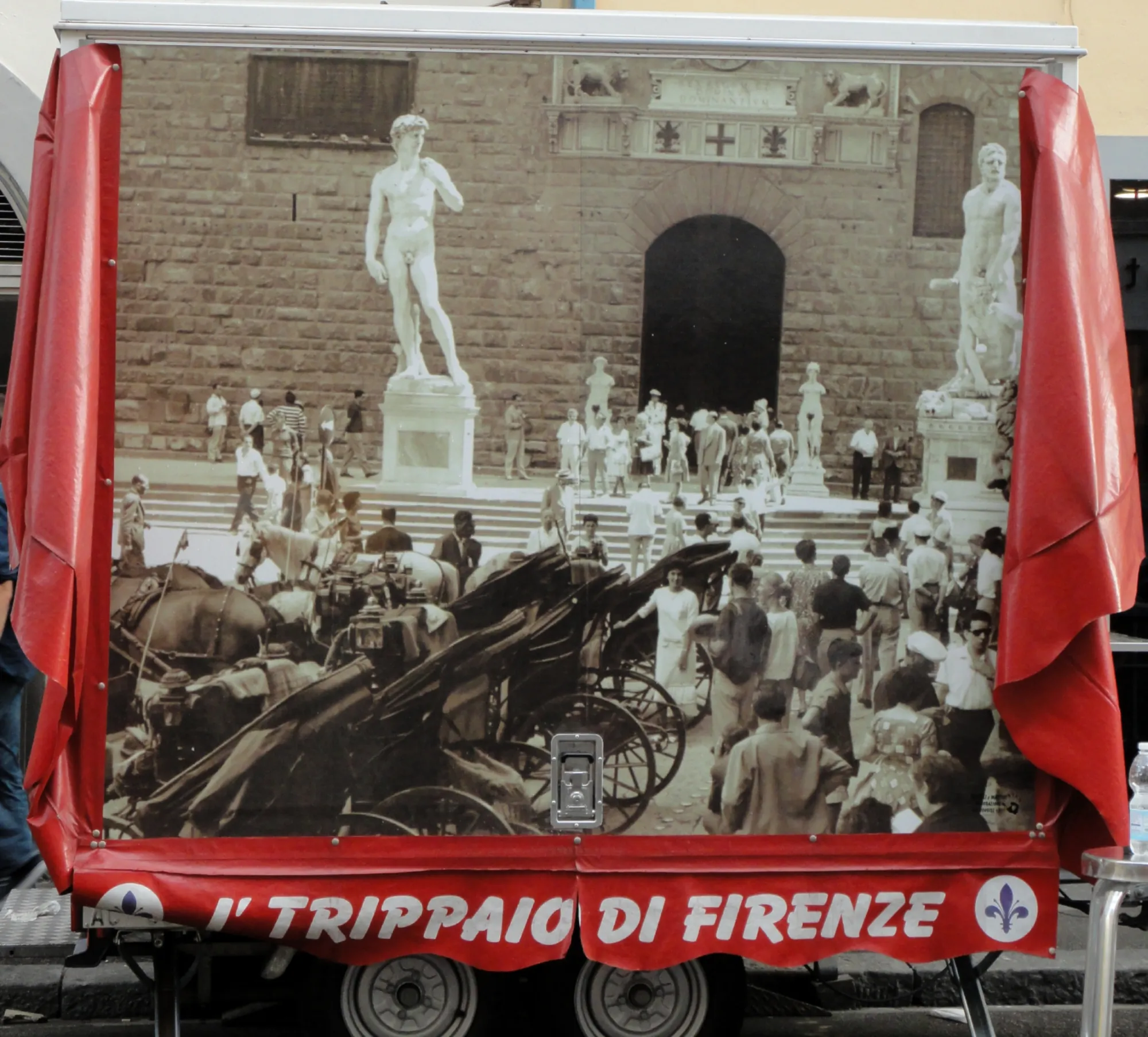
Imitation is the sincerest form of flattery, whether in marble, bronze, fiberglass or human flesh.
MICHELANGELO'S DAVID: 8 Degrees of Separation
Michelangelo’s David! The original is in Florence’s Accademia Gallery but copies…and copies of copies…and copies of copies of copies…beset us at every turn.
Let’s count the degrees of separation—from here back to the original...
***
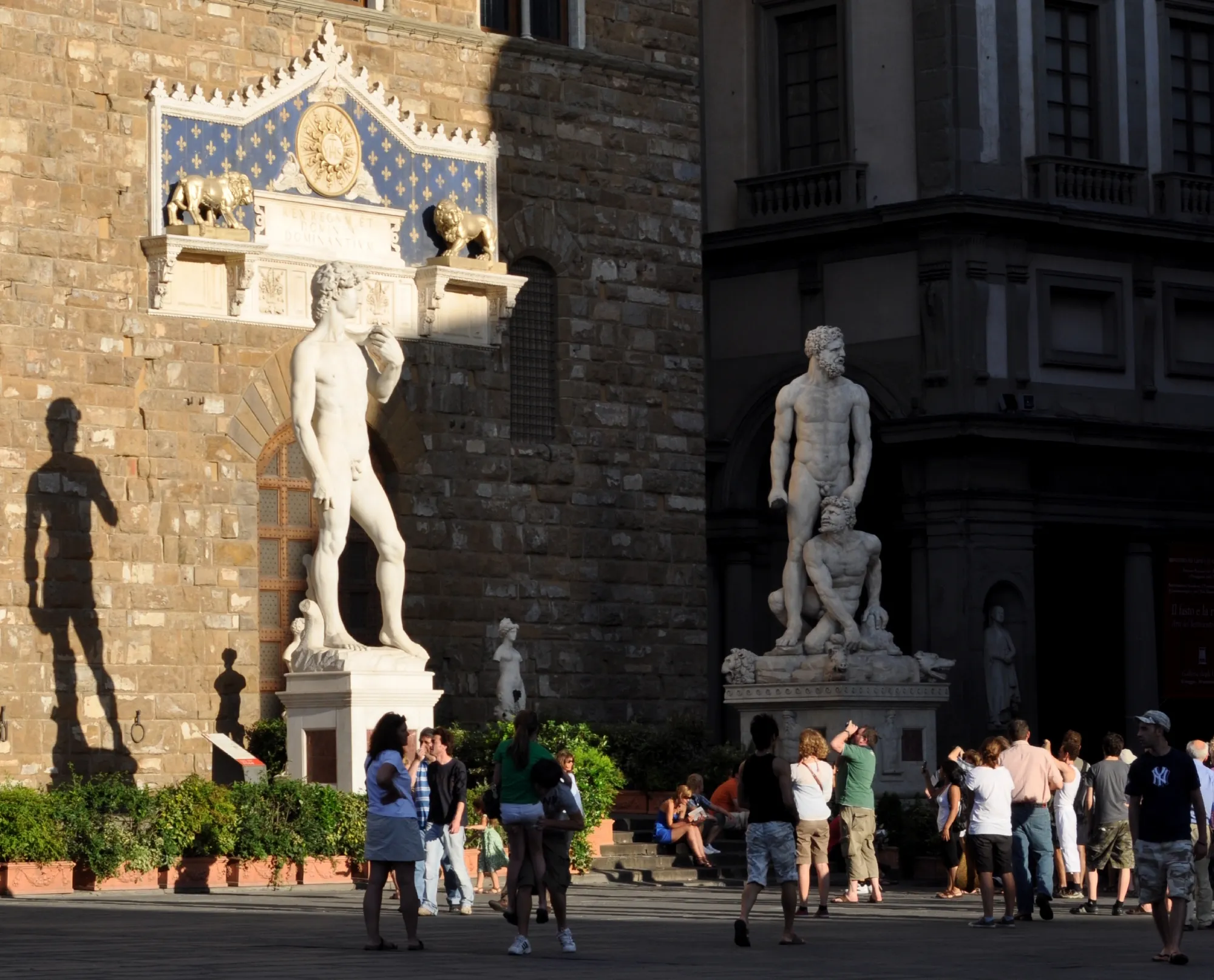
Intimate apparel by way of Trippa alla Fiorentina, from Piazza della Signoria to Piazzale Michelangelo to Via Gioberti.
MICHELANGELO'S DAVID: 9 Degrees of Separation
Michelangelo’s David! The original is in Florence’s Accademia Gallery but copies…and copies of copies…and copies of copies of copies…beset us at every turn.
Let’s count the degrees of separation—from here back to the original...
***
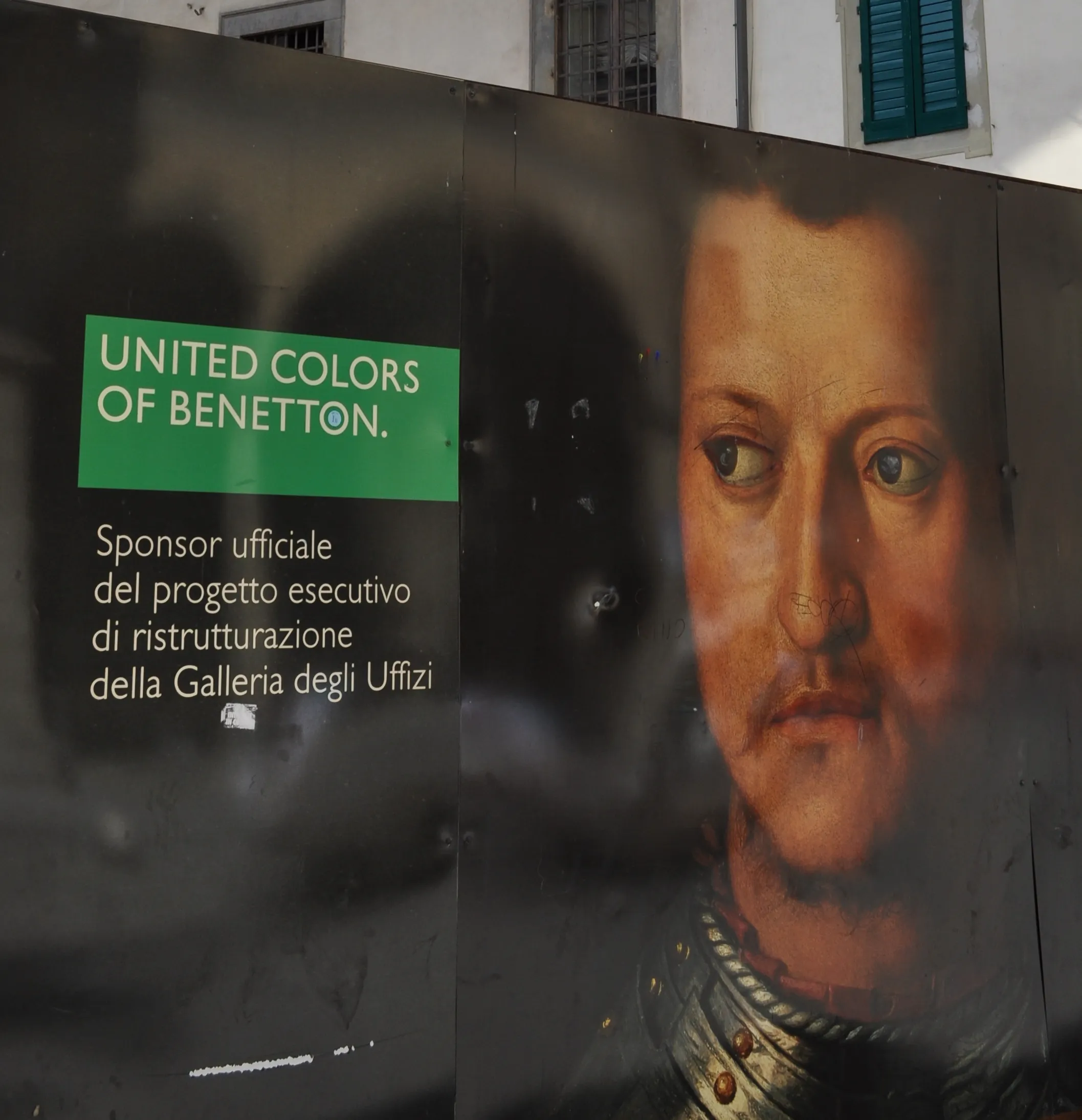
Michelangelo Fusion in Piazza della Signoria.
MORE MEDICI?! Family Myth and a Contested Legacy in Modern Florence
In Florence, the Medici follow you wherever you go.
But who were they really—back in their heyday?
And who are they now?
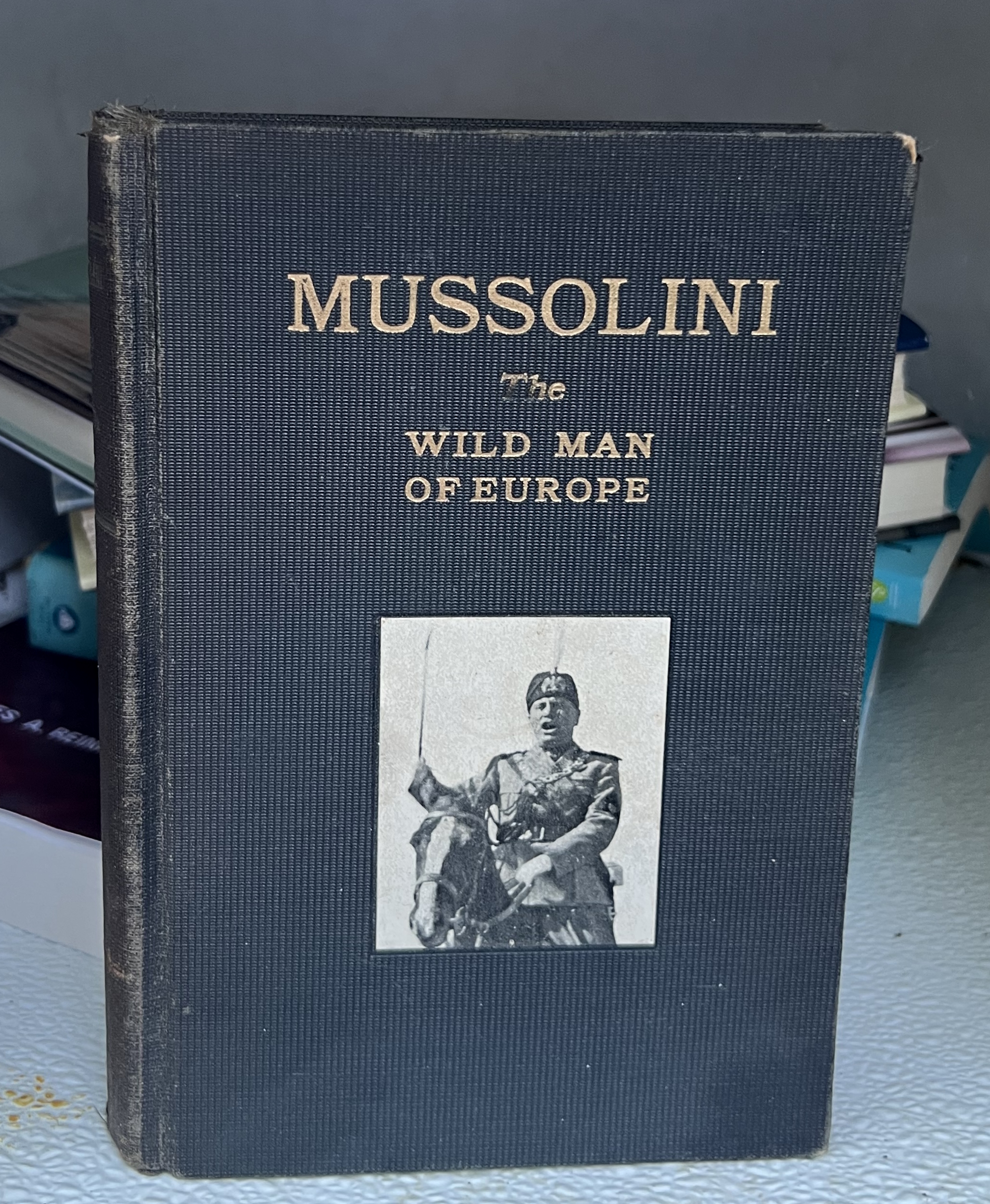
MUSSOLINI: THE WILD MAN OF EUROPE - Part 1
In a "Little Library" in Washington DC, I happened upon "Mussolini: The Wild Man of Europe"— John Bond's eccentric exposé of Benito Mussolini, printed in the Nation's Capital in 1929.
In my first post, "Wild Man, Part 1", Bond helped reveal the inner workings of the Ku Klux Klan in Washington DC, Atlanta GA and Altoona PA.
In "Wild Man, Part 2", we took Bond's book to Fascist Italy and viewed the Duce through the outraged author's eyes.
Here in "Wild Man", Part 3", we bring Bond back to Philo-Fascist America. There we see the Duce lauded by Italian Americans, by Hollywood celebrities and by the mainstream press.
Who was John Bond? A "Militant Freemason", a virulent anti-Catholic and an anti-Mussolini conspiracy theorist.
How about his message? Bond was strange and obsessed but he wasn't always wrong.
MUSSOLINI: THE WILD MAN OF EUROPE - Part 2
In a "Little Library" in Washington DC, I happened upon "Mussolini: The Wild Man of Europe"— John Bond's eccentric exposé of Benito Mussolini, printed in the Nation's Capital in 1929.
In my first post, "Wild Man, Part 1", Bond helped reveal the inner workings of the Ku Klux Klan in Washington DC, Atlanta GA and Altoona PA.
Here in "Wild Man, Part 2", we take Bond's book to Fascist Italy and view the Duce through the outraged author's eyes.
In "Wild Man", Part 3", we bring Bond back to Philo-Fascist America. There we see the Duce lauded by Italian Americans, by Hollywood celebrities and by the mainstream press.
Who was John Bond? A "Militant Freemason", a virulent anti-Catholic and an anti-Mussolini conspiracy theorist.
How about his message? Bond was strange and obsessed but he wasn't always wrong.
MUSSOLINI: THE WILD MAN OF EUROPE - Part 3
In a "Little Library" in Washington DC, I happened upon "Mussolini: The Wild Man of Europe"— John Bond's eccentric exposé of Benito Mussolini, printed in the Nation's Capital in 1929.
In my first post, "Wild Man, Part 1", Bond helped reveal the inner workings of the Ku Klux Klan in Washington DC, Atlanta GA and Altoona PA.
In "Wild Man, Part 2", we took Bond's book to Fascist Italy and viewed the Duce through the outraged author's eyes.
Here in "Wild Man", Part 3", we bring Bond back to Philo-Fascist America. There we see the Duce lauded by Italian Americans, by Hollywood celebrities and by the mainstream press.
Who was John Bond? A "Militant Freemason", a virulent anti-Catholic and an anti-Mussolini conspiracy theorist.
How about his message? Bond was strange and obsessed but he wasn't always wrong.
WORK IN PROGRESS
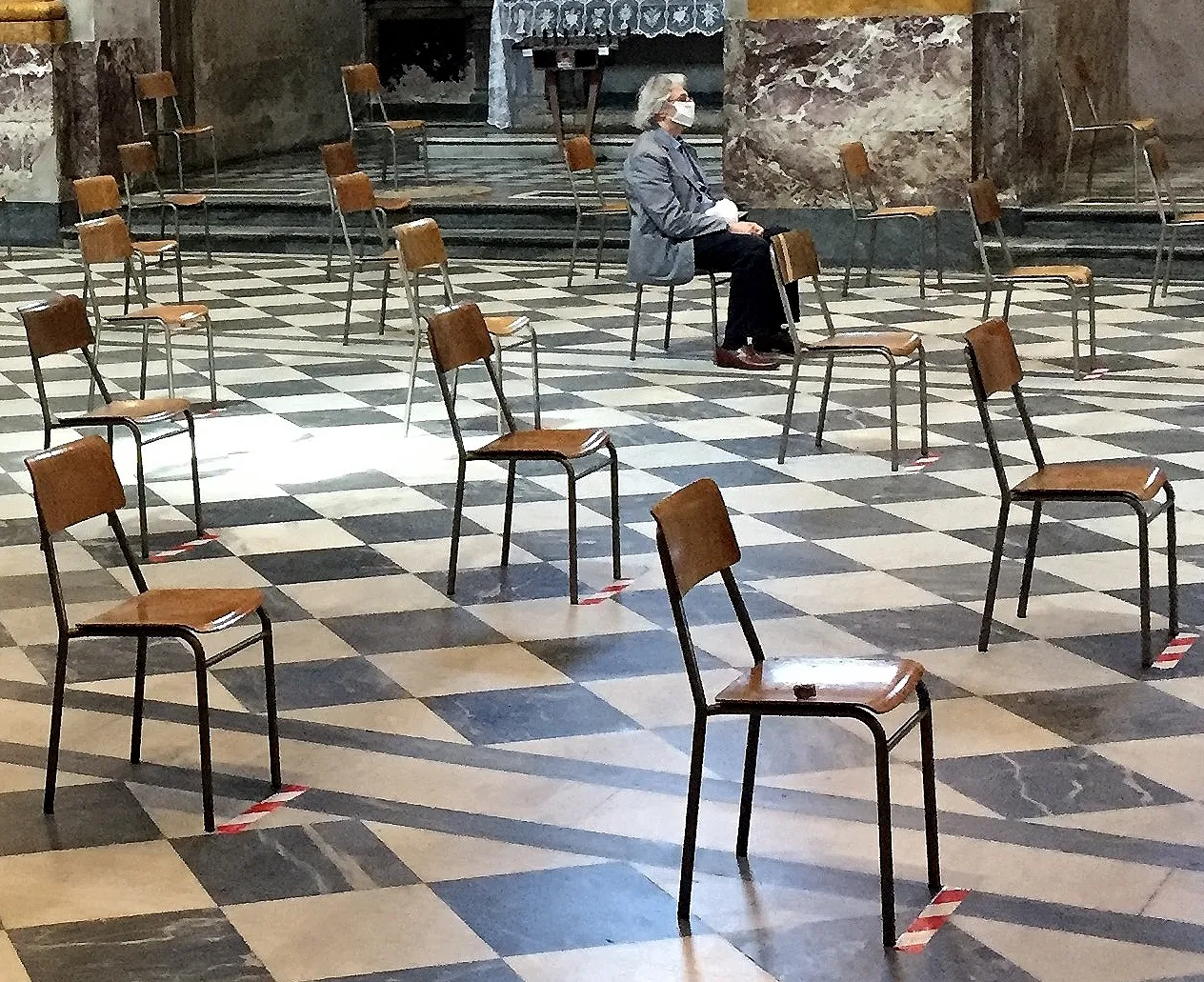
PLAGUE ART MINIMALISM AT FLORENCE'S SANTISSIMA ANNUNZIATA
Florence was coming back to life after an excruciating COVID lockdown and I was leaving my adopted hometown, more or less forever.
Could things get any weirder?
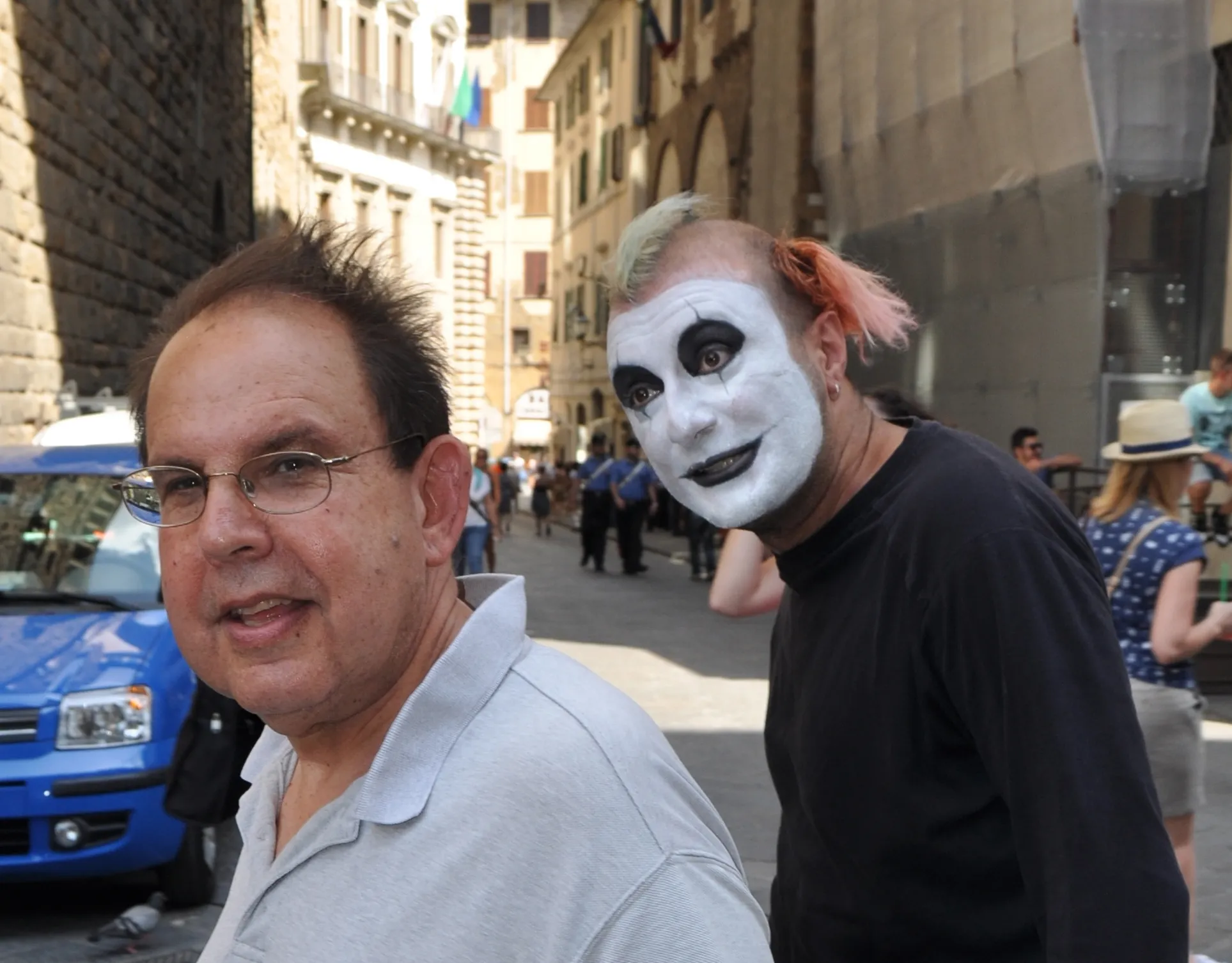
PUNKED BY A MIME ARTIST OUTSIDE THE UFFIZI GALLERY
Don't mess with Florentine Street Performers!
They are smarter than you, tougher than you and have secret powers.
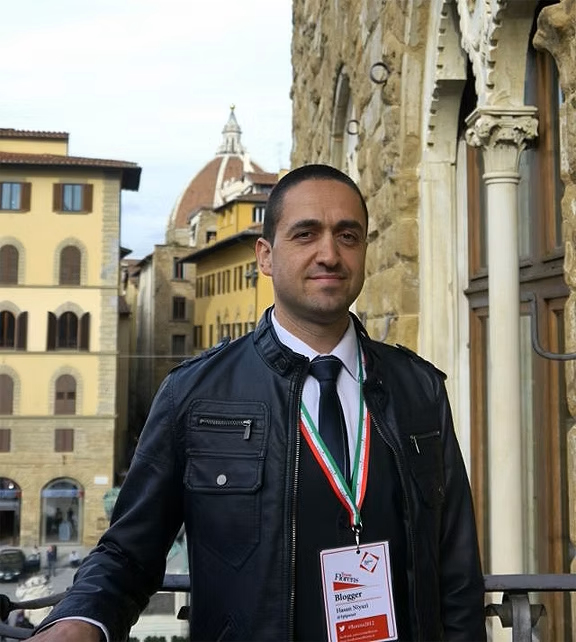
REMEMBERING HASAN NIYAZI
Hasan Niyazì (1978-2013) was one of the most influential and charismatic figures in the emerging world of online art history in the early 21st Century— until his premature death.
He described himself and his mission as "Evidence based art history blogger. Renaissance, Raphael and attribution studies, antique to digital influences."
3 Pipe Problem— Hasan’s free-wheeling and wildly popular blog— ran from November 15, 2009 until October 26, 2013 (it still lives online).
Open Raphael Online— Hasan’s visionary project for an open-source repository of research data —made exhilarating progress but fell victim to external forces after his death.
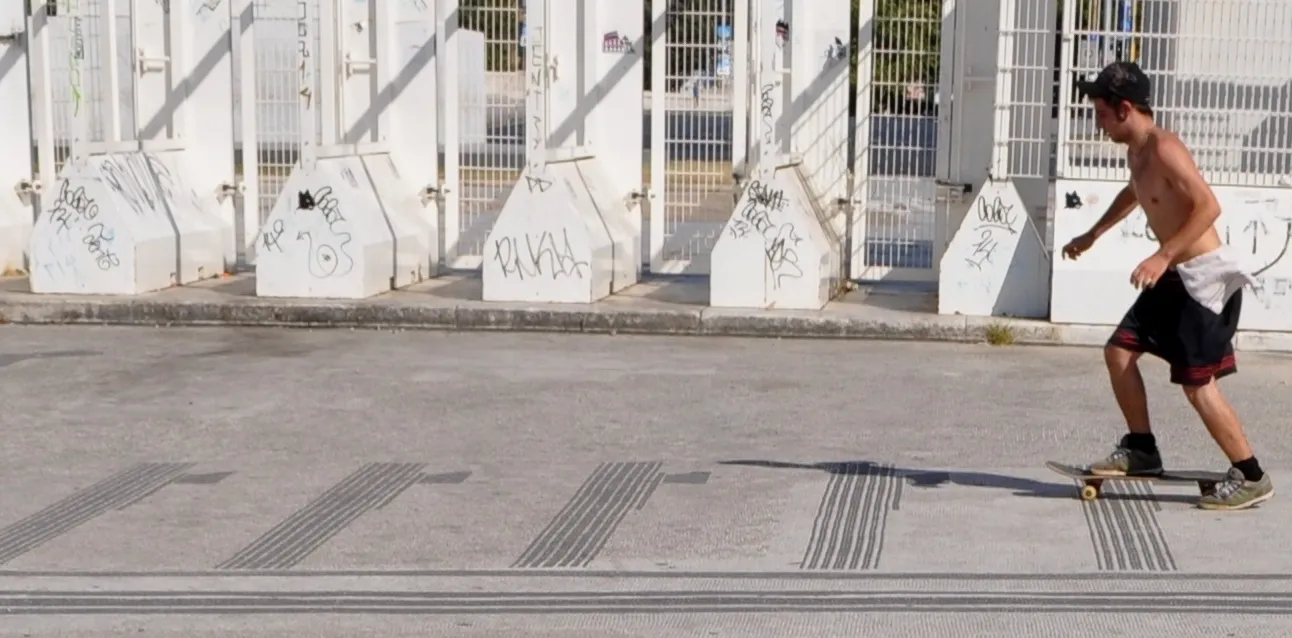
SKATING OVER HISTORY IN ROME'S MUSSOLINI FORUM
In Rome, the Foro Italico (Italic Forum) still broadcasts Mussolini's message of Fascist power through physical strength—if anyone bothers to listen.
Nowadays, the martial clamor is reduced to a pleasant whir of skateboard wheels rolling over the celebrated mosaics—a veritable encyclopedia of Fascist imagery.
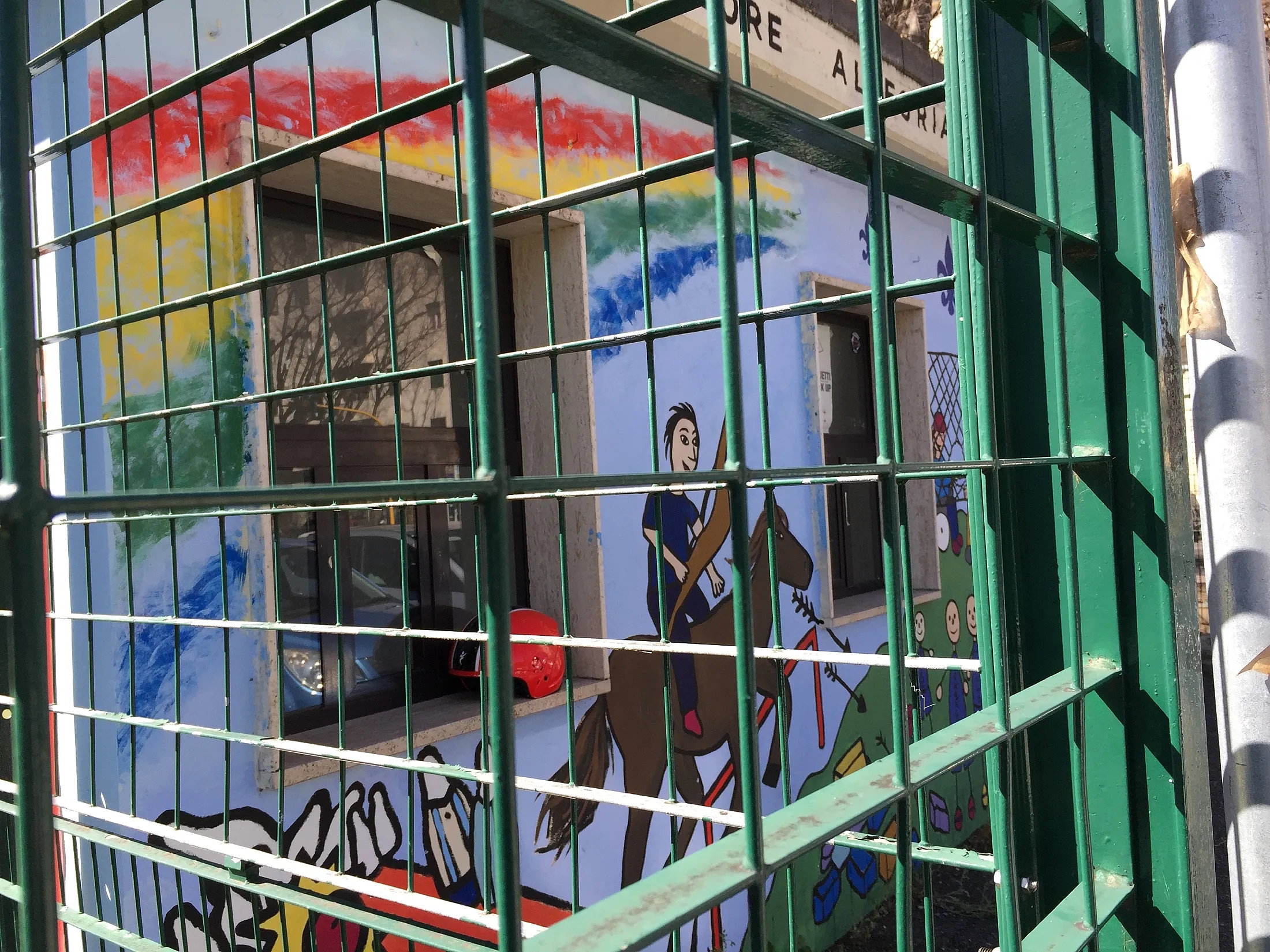
THE APOCALYPSE COMES TO CAMPO DI MARTE: Florentine Street Art in the Time of COVID
Nothing was normal during the Pandemic.
Every horseman heralded the End of Days and rainbows took on a desperate life of their own.
Especially in the realm of children's art, which is often the most revealing of all.
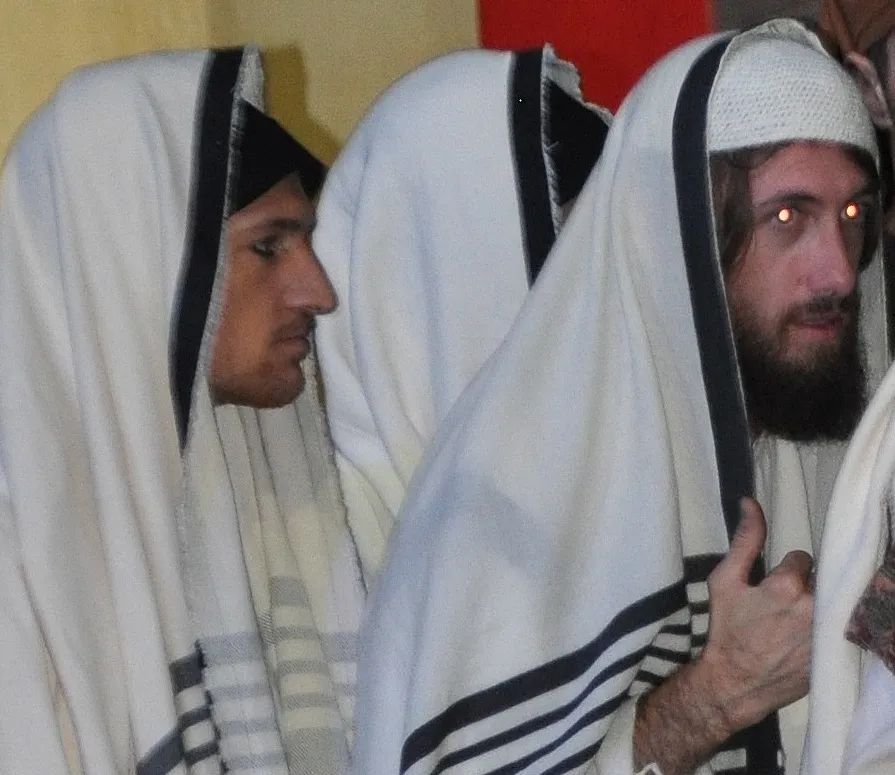
THE SORDEVOLO PASSION: Jewish Infamy Takes Center Stage in the Foothills of the Alps
Every five years, the inhabitants of the tiny Piedmontese town of Sordevolo stage a compelling recreation of the last days of Christ— as long imagined by Catholic believers.
There they are...before our very eyes....the cursed Killers of the Savior!
What on earth is happening here?!
I can promise you an answer, but not a simple one.

WERE THE MEDICI JEWISH???
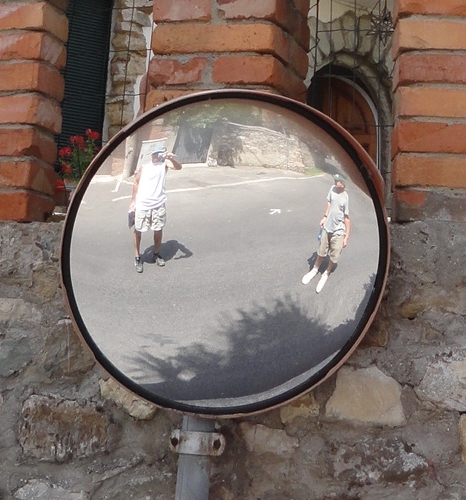
WHERE DO THESE PICTURES COME FROM?
Here you meet photographer Lyle Goldberg, who contributed much of this site's visual content.
You see him at work in Italy, Spain, Greece, Croatia, Israel and Uzbekistan —just to begin the list.
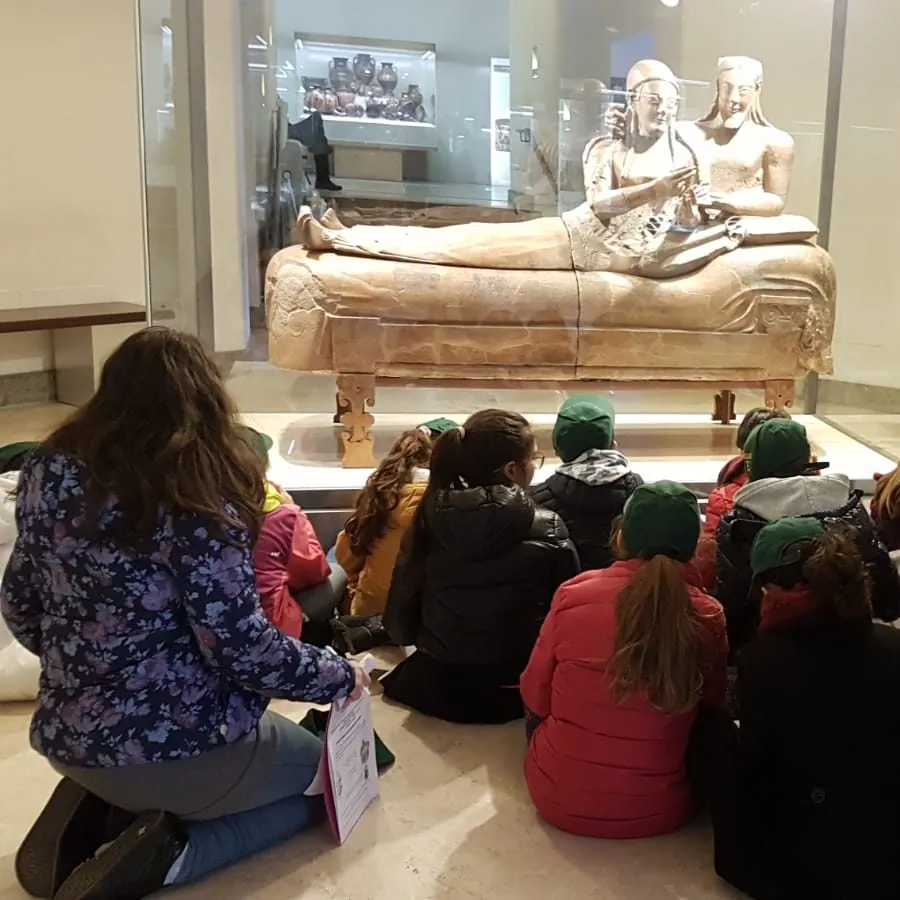
WHO CAME FIRST? Jews, Etruscans, Someone Else...
Why are the Etruscans so supremely "mysterious"? In the popular imagination, that is always the first word that comes to mind...
By way of Giorgio Bassani's 1957 novel, The Garden of the Finzi-Contini, we search for ancient clues in the Etruscan Necropolis of Cerveteri.
Who are these Etruscans anyway—real or imagined?
What secrets do they share with the author's own more recent dead —Holocaust victims from Jewish Ferrara?
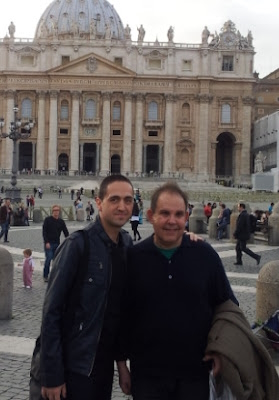
WHO'S A PIONEER?!: Hasan Niyazi Interviews Me
Hasan Niyazi, an arts blogger with a bold mission and unique voice, interviewed me in 2013 shortly before his death.
He made me answer probing questions that I would never have thought to ask myself— regarding Italy, archival research, digital innovation and the not-so-slow death of the humanities in Academe.
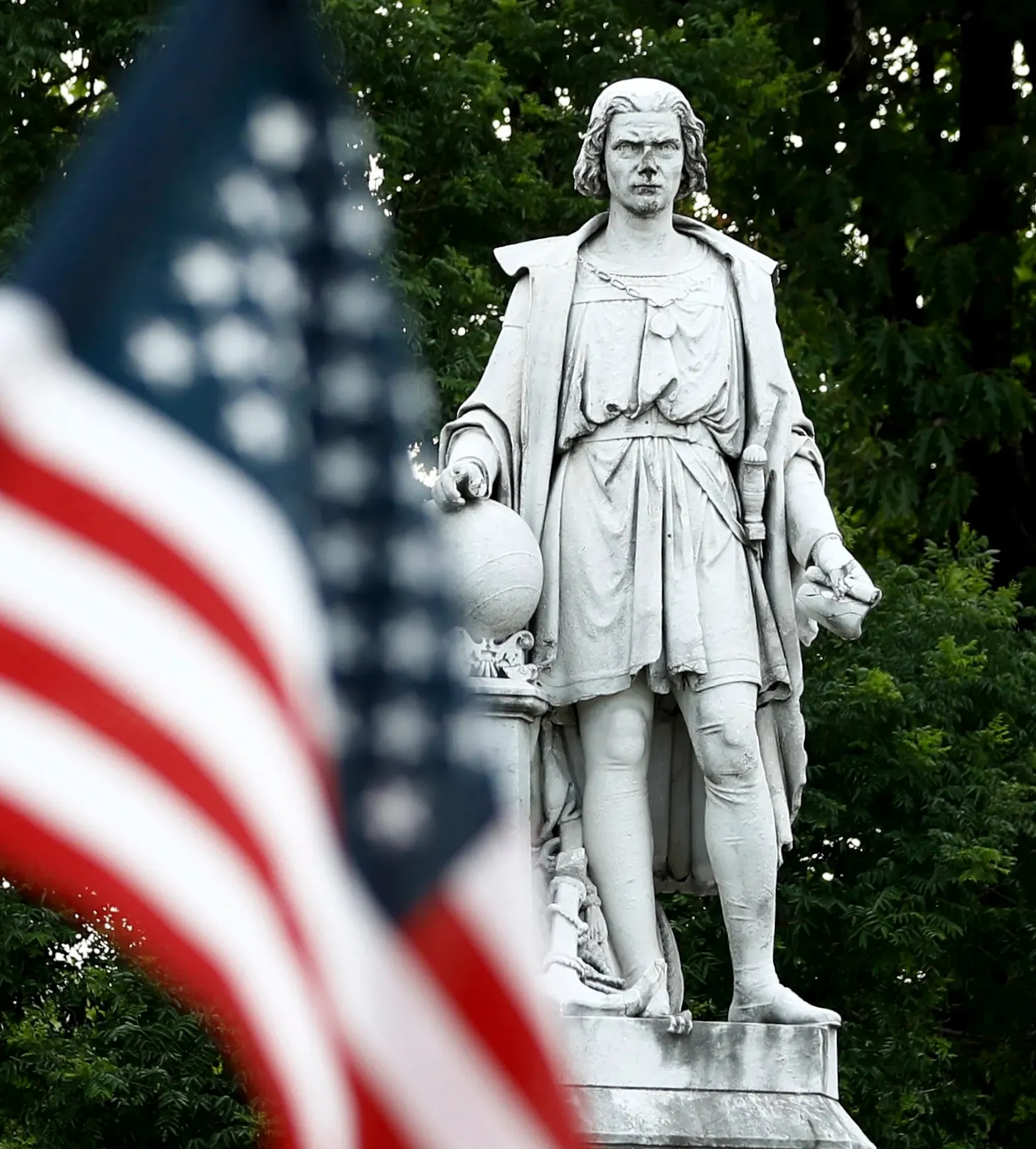
WHOSE COLUMBUS? WHOSE COLUMBUS DAY? Part 1: It begins with a statue in Philadelphia in 1876
Why is Columbus Day the most controversial of American holidays?
People disagree —often violently —about its past and present meaning.
Here are the facts. Make of them what you will!
***
The story begins in South Philly (then and now) and takes us to the American Civil War and the 1876 Centennial Exposition.
We meet Christopher Columbus (in several incarnations), sculptor Emanuele Caroni and Nunzio Finelli (ideator of Philadelphia’s Columbus Statue, long in Fairmount Park, now in Marconi Plaza).
WHOSE COLUMBUS? WHOSE COLUMBUS DAY? Part 2: The New Orleans Massacre (1891) and Italian-American Identity
Why is Columbus Day the most controversial of American holidays?
People disagree —often violently —about its past and present meaning.
Here are the facts. Make of them what you will!
***
A deadly anti-Italian riot in New Orleans in 1891 gave rise to the Columbus Day holiday —or so many people claim.
We meet Italian Ambassador Francesco Fava and Italian Consul Pasquale Corte, plus a host of corrupt New Orleans politicians and rumor-mongering journalists across America and around the world.
WHOSE COLUMBUS? WHOSE COLUMBUS DAY? Part 3: Italian Columbus Day vs. American Columbus Day
Why is Columbus Day the most controversial of American holidays?
People disagree —often violently —about its past and present meaning.
Here are the facts. Make of them what you will!
***
“Everyone” knows that Columbus Day began in 1892 (1492 plus 400) when President Benjamin Harrison declared that national holiday —in reparation for the recent lynching of 11 Italians in New Orleans.
“Everyone” is wrong, however. The story is far more complicated —with two plausible “origin myths”, neither openly connected to the New Orleans tragedy.
1892 gave rise to a short-lived American Nativist Columbus Day, linked to the Schoolhouse Flag Movement and the new Pledge of Allegiance.
1892 also formalized an older and more durable Italian and Catholic Columbus Day— culminating in the dedication of the Columbus Monument in New York City.
WHOSE COLUMBUS? WHOSE COLUMBUS DAY? Part 4: Christopher Columbus Against the World
Why is Columbus Day the most controversial of American holidays?
People disagree —often violently —about its past and present meaning.
Here are the facts. Make of them what you will!
***
Christopher Columbus, Frank Rizzo, George Floyd, Joe Biden, Donald Trump and Rudy Giuliani…
Black Lives Matter, Indigenous Peoples Day, Italian Liberation and the January 6, 2021 Assault on the Capitol…
Philadelphia's "notorious" Columbus Statue, "notorious" Rizzo Statue and "notorious" Rizzo Mural...
What do these all have in common?
“Everything and Nothing” is the easy answer.
WHOSE COLUMBUS? WHOSE COLUMBUS DAY? Part 5: Strange Things Happen in Philadelphia...
Why is Columbus Day the most controversial of American holidays?
People disagree —often violently —about its past and present meaning.
Here are the facts. Make of them what you will!
***
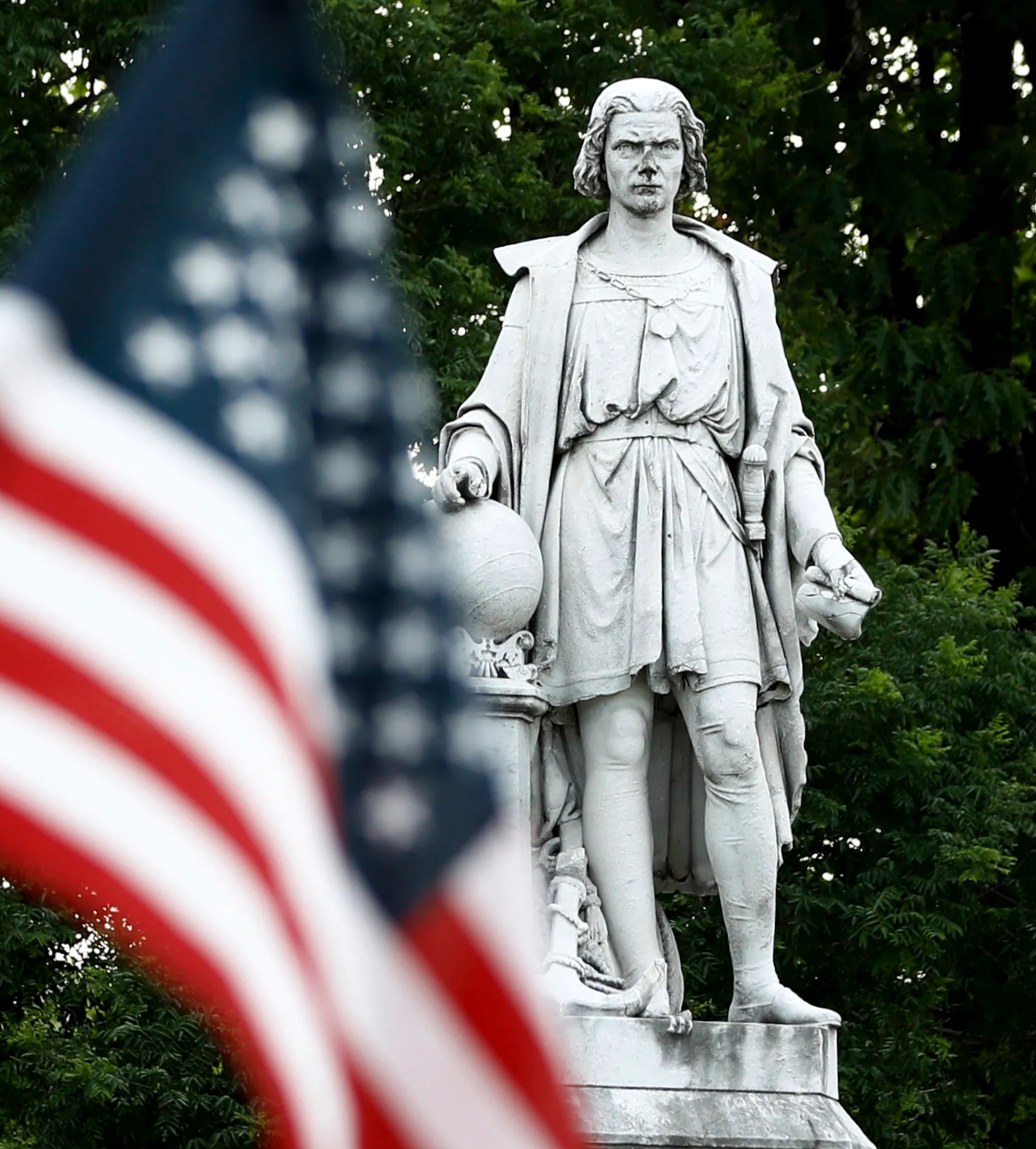
Christopher Columbus... Guglielmo Marconi... Frank Rizzo...
Meet Italian Philadelphia's historic Gang of Three!
Now imagine them all in Marconi Plaza— South Philly's iconic park— face to face for Eternity.